What Is Allulose Made From?

A Complete Guide to This Rare Sugar Sweetener
If you’re searching what is allulose made from, you’re likely trying to understand whether this modern sweetener is natural, safe, and truly better than sugar.
Allulose has quickly become one of the most popular low calorie sweeteners used in healthy desserts, including our soft gluten free cookies, rich vegan chocolate, and creamy vegan spreads.
Let’s explore exactly what allulose is, what it’s made from, how it compares to fructose, and whether it’s right for you.

Quick Answer: What Is Allulose Made From?
Allulose is a plant-derived rare sugar naturally found in foods such as figs, raisins, jackfruit, and maple syrup. For commercial baking use, it is produced through a natural enzymatic process that converts plant sugars into allulose.
It is not artificial.
It is not synthetic.
It is a naturally inspired sugar alternative designed to behave like sugar — without acting like sugar in your body.
What Is Allulose?
To fully understand what is allulose made from, you also need to understand what is allulose.
Allulose is a rare sugar with a molecular structure similar to fructose — but metabolized very differently. It tastes about 70% as sweet as traditional sugar while providing only a fraction of the calories.
Allulose is classified as a:
- Low calorie sweetener
- Keto sweetener
- Diabetic-friendly sweetener
- Sugar alternative
Unlike traditional sugar, allulose has minimal blood sugar impact and almost zero glycemic effect.
That’s why it works so well in modern healthy desserts.
Allulose vs Fructose: What’s the Difference?
Because both are simple sugars, many people compare allulose vs fructose. But metabolically, they are very different.
| Feature | Allulose | Fructose |
|---|---|---|
| Calories | ~0.4 kcal per gram | ~4 kcal per gram |
| Blood Sugar Impact | Minimal glycemic response | Can raise blood sugar |
| Metabolism | Absorbed but largely excreted | Processed in the liver |
| Fat Storage | Not significantly converted to fat | Excess may convert to fat |
| Tooth Health | Does not promote cavities | Can contribute to cavities |
When people ask is allulose bad for you, they are often comparing it to traditional sugars like fructose.
The key difference is metabolic impact.

Allulose Benefits
Interest in allulose benefits has grown rapidly among those looking for better sugar alternatives.
Some key allulose benefits include:
- Very low calorie content
- Minimal glycemic index
- Does not significantly spike insulin
- Supports keto-friendly baking
- Does not contribute to tooth decay
- Sugar-like browning and caramelization
Unlike many sugar alcohols, allulose provides a clean sweetness and excellent baking performance.
This is why we use it in:
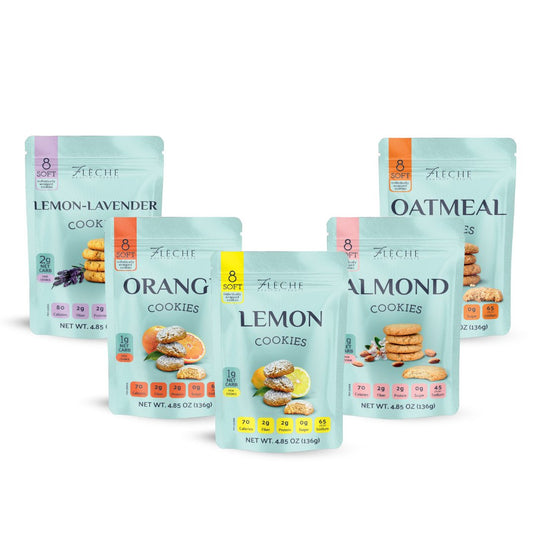
- Soft gluten free cookies
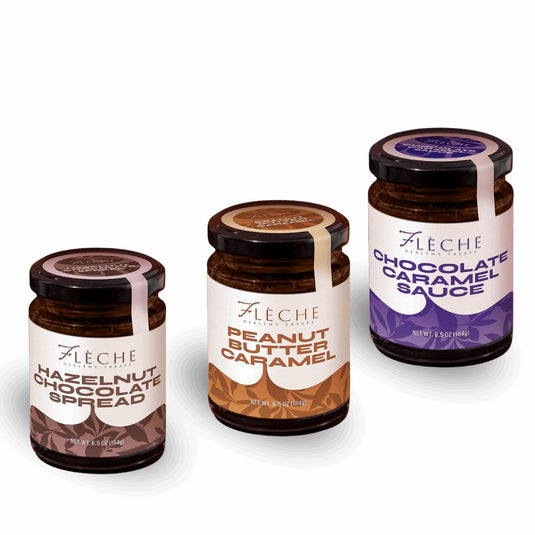
- Silky Chocolate Caramel Sauce
- Creamy Hazelnut-Chocolate Spread
- Spoonable Peanut-Butter Caramel
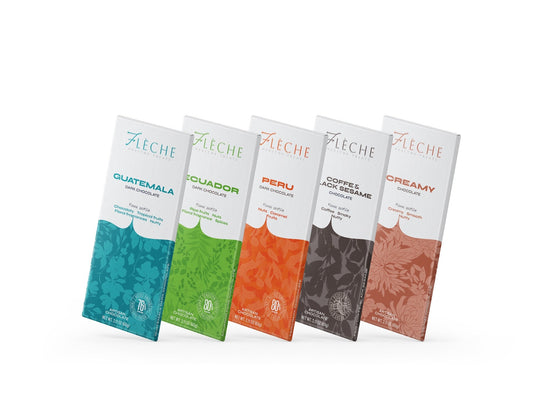
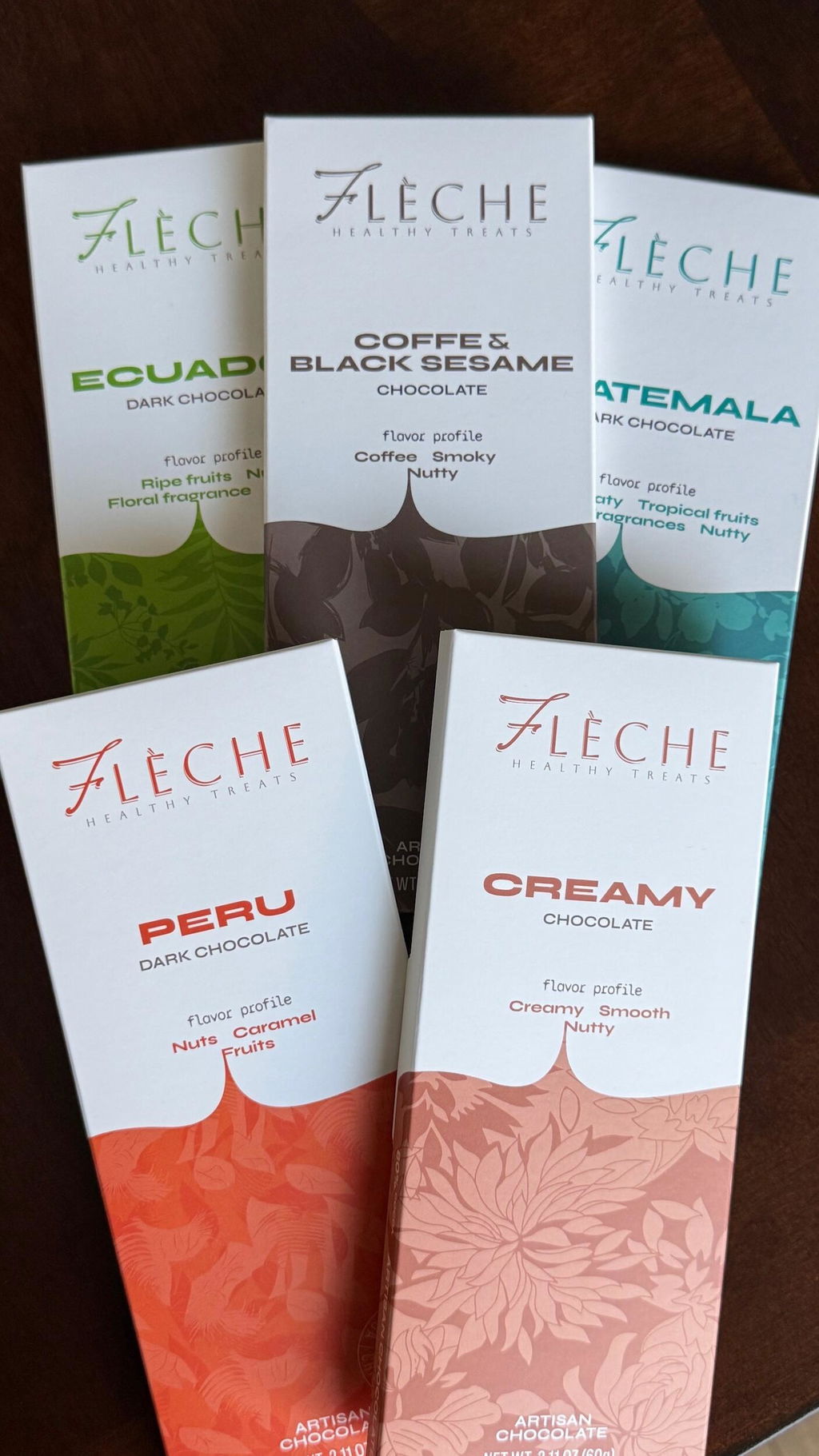
- Smooth Vegan Coffee Chocolate and Creamy Chocolate
Allulose allows us to create indulgent flavor with a smarter nutritional profile.
Does Allulose Have an Aftertaste?
Another common question is: does allulose have an aftertaste?
Compared to other sugar alternatives, most people describe allulose as:
- Clean tasting
- Similar to sugar
- Without bitterness
- Without metallic notes
- Without strong cooling sensation
Because it behaves like sugar, it enhances the flavor of vegan chocolate and vegan spreads rather than masking it.

Is Allulose Bad for You?
Searches for is allulose bad for you and allulose side effects continue to rise as more people discover this sweetener.
For most individuals, allulose is considered safe and well tolerated. It has been evaluated and approved for use as a sweetener.
As with any sweetener — natural or traditional — portion balance matters.
Allulose Side Effects: What to Know
Like many low calorie sweeteners, very large amounts of allulose may cause mild digestive sensitivity in some individuals.
Reported allulose side effects may include:
- Mild bloating
- Temporary digestive discomfort
However, in moderate portions, many people find allulose comfortable and easy to enjoy.
In our recipes, we carefully balance sweetness to ensure both flavor and digestive comfort.
Why We Use Allulose in Our Healthy Desserts
At Flèche Healthy Treats, we formulate desserts intentionally.
Allulose allows us to:
- Keep products sugar-free
- Reduce calorie density
- Maintain authentic sweetness
- Avoid artificial sweeteners
- Preserve texture and caramelization
You can experience this in our:
👉 Gluten Free Cookies
👉 Chocolate Caramel Sauce
👉 Hazelnut-Chocolate Spread
👉 Peanut-Butter Caramel
👉 Vegan Creamy and Vegan Coffee Chocolate
Our goal is simple: indulgence without compromise.

FAQ: What Is Allulose Made From?
What is allulose made from?
Allulose is a plant-derived rare sugar found in figs, raisins, jackfruit, and maple syrup. It is produced through a natural enzymatic process for baking use.
What is allulose?
Allulose is a low-calorie sweetener that tastes similar to sugar and has minimal glycemic impact.
Does allulose have an aftertaste?
Most people describe allulose as having a clean, sugar-like taste without bitterness or strong aftertaste.
Is allulose bad for you?
Allulose is generally considered safe for most people when enjoyed in reasonable portions.
What are common allulose side effects?
Some individuals may experience mild digestive sensitivity if consuming very large amounts.
What are the benefits of allulose?
Allulose benefits include low calories, minimal blood sugar impact, and excellent baking performance.
Final Thoughts: What Is Allulose Made From and Why It Matters
Understanding what is allulose made from removes confusion around modern sweeteners.
It is:
- A plant-derived rare sugar
- A low calorie sweetener
- A minimal glycemic sugar alternative
- Designed for modern healthy dessert
Allulose helps bridge the gap between pleasure and wellness.
And that’s exactly why we use it.