Coconut sugar VS White sugar

Which Sweetener Is Better for Healthy Desserts?
When people search for coconut sugar vs sugar or white sugar vs coconut sugar, they usually want to know one thing:
Which sweetener is healthier — and which one will not cause the typical sugar crash?
Many customers come to us at Flèche Healthy Treats with the same pain points:
• traditional desserts spike blood sugar
• refined sugar causes energy crashes
• overly processed ingredients feel unhealthy
• they want sweets but still care about wellness
Understanding coconut sugar vs. white sugar can help you make better choices when enjoying desserts.
At Flèche Healthy Treats, we carefully select ingredients that support balanced sweetness, better flavor, and thoughtful indulgence in our healthy desserts — including our gluten free cookies and artisan vegan spreads like:
• Chocolate Cherry Sauce
• Raspberry Spread
Let’s explore the real differences in white sugar vs coconut sugar.
What Is Coconut Sugar?

Coconut sugar is made from the sap of coconut palm blossoms. The sap is gently heated until it forms golden crystals with a naturally caramel-like aroma.
Unlike refined white sugar, coconut sugar undergoes minimal processing, helping preserve more of its natural compounds.
This difference is one of the main reasons people researching coconut sugar vs sugar consider coconut sugar a more natural sweetener.
Coconut Sugar vs. White Sugar: Key Differences
Flavor Complexity

White sugar delivers a sharp, one-note sweetness.
One of the biggest differences in white sugar vs coconut sugar is flavor.
White sugar has a sharp, single-note sweetness.
Coconut sugar offers warm caramel and butterscotch notes, which pair beautifully with chocolate and baked goods.
This makes it ideal for desserts like:
• sugar free Chocolate Sauce
• gourmet sauces
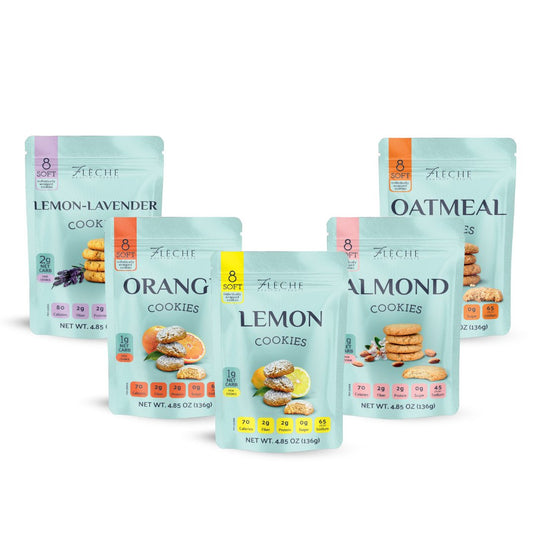
• gluten free cookies
At Flèche Healthy Treats, these flavor notes enhance products like our Chocolate Cherry Sauce and Raspberry Spread.
Glycemic Impact and Sugar Crashes

One of the most discussed differences in the White sugar VS coconut sugar comparison is glycemic index.
Coconut sugar typically has a lower glycemic impact than refined white sugar. While it is still sugar and should be enjoyed mindfully, it may cause a more gradual rise in blood sugar levels compared to white sugar.
For those seeking more balanced healthy desserts, this matters.
Retains Natural Minerals
Another difference in coconut sugar vs white sugar is mineral content.
Coconut sugar contains trace minerals such as:
• potassium
• iron
• zinc
• calcium
These amounts are small, but coconut sugar remains closer to its natural source than highly refined white sugar.
Minimal Processing

White sugar goes through extensive refining, bleaching, and chemical processing.
Coconut sugar is minimally processed. The sap is simply heated and crystallized — no heavy refinement required.
For us, ingredient integrity is essential when crafting gluten free cookies and premium vegan spreads.
Better Flavor Pairing with Chocolate

Coconut sugar enhances cocoa instead of overpowering it.
In our chocolate-based products, including our gourmet spreads, the caramel undertones of coconut sugar create a balanced sweetness that complements real cacao.
This is why it performs beautifully in healthy desserts designed for adults who appreciate layered flavor.
More Sustainable Production
In the White sugar VS coconut sugar discussion, sustainability is often overlooked.
Coconut palms produce sap for many years without being cut down. This makes coconut sugar production potentially more environmentally supportive compared to large-scale sugar cane refining.
At Flèche Healthy Treats, sustainability matters.
Allergy-Friendly and Naturally Gluten-Free

Coconut sugar is naturally:
• Gluten-free
• Nut-free
• Dairy-free
This makes it a versatile option when developing inclusive recipes like our gluten free cookies and plant-based vegan spreads.
Culinary Versatility

Coconut sugar works beautifully in:
• Baking
• Sauces
• Chocolate spreads
• Caramel recipes
It dissolves well, caramelizes gently, and adds warmth to recipes — making it a valuable ingredient in premium spreads like:
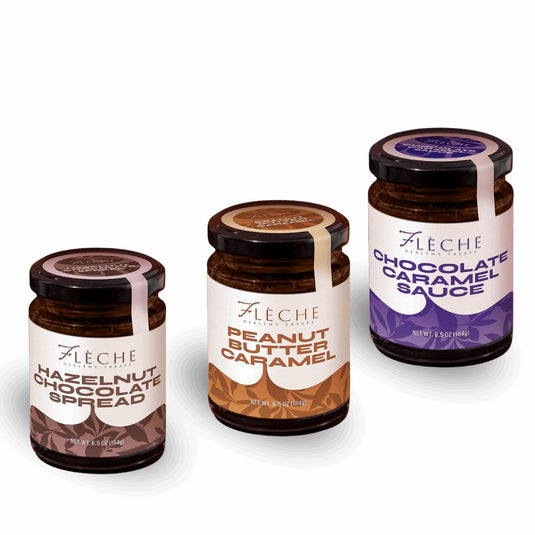
- Caramel Cherry Chocolate Spread
- Caramel Raspberry-Gin Spread
Balanced Sweetness
White sugar delivers an immediate, sharp sweetness.
Coconut sugar provides a more rounded profile — less aggressive, more integrated into the overall flavor structure of the dessert.
That balance is key in artisan products.
A More Conscious Choice

Choosing coconut sugar isn’t just about flavor — it reflects a commitment to mindful indulgence.
At Flèche Healthy Treats, we don’t just create desserts. We design experiences rooted in ingredient transparency and intentional sourcing.
Coconut Sugar Calories
Many people also search for coconut sugar calories when comparing sweeteners.
Here are approximate values:
• 1 teaspoon coconut sugar calories: about 15–16 calories
• 1 tablespoon coconut sugar calories: about 45 calories
• 1/4 cup coconut sugar calories: about 180 calories
• 1 cup coconut sugar calories: about 720 calories
Calorie-wise, coconut sugar is similar to white sugar.
The difference lies more in processing, flavor, and glycemic impact rather than calorie count.
Why Ingredient Choice Matters in Healthy Desserts
Many customers want desserts that satisfy their sweet tooth without the negative effects of traditional sweets.
At Flèche Healthy Treats, our mission is to solve common dessert problems:
• sugar crashes
• overly processed ingredients
• desserts that taste artificial
• sweets that feel unhealthy
That’s why our products focus on:
• natural sweeteners
• balanced sweetness
• real flavor from quality ingredients
You can experience this difference in our:
• Gluten Free Cookies
• Chocolate Cherry Sauce
• Raspberry Spread
Each recipe is designed to provide a more thoughtful indulgence.
Coconut Sugar vs Sugar: Which One Is Better?
When comparing coconut sugar vs white sugar, coconut sugar offers several advantages:
• richer flavor
• less processing
• trace minerals
• potentially lower glycemic impact
• better pairing with chocolate and desserts
For people looking for more balanced sweets, coconut sugar can be a better choice than refined sugar.
Experience Healthier Sweetness
At Flèche Healthy Treats, we believe desserts should bring joy without compromising how you feel afterward.
That’s why we design recipes that balance flavor, quality ingredients, and mindful sweetness.
Try them in:
• Gluten Free Cookies
• Chocolate Cherry Sauce
• Raspberry Spread
Because the future of indulgence is smarter, richer, and more intentional.
Experience the Difference
When you taste our:
- Caramel Cherry Chocolate Spread
- Caramel Raspberry-Gin Spread
You’re not just enjoying sweetness — you’re experiencing layered flavor crafted with intention.
Because at Flèche Healthy Treats, we believe the future of indulgence is smarter, richer, and more conscious.