What Is Sorbitol?

Uses, Benefits & Side Effects
Sorbitol is a naturally occurring carbohydrate known as a sugar alcohol—a type of sweetener that provides sweetness without the same blood sugar impact as regular sugar.
If you’ve ever asked yourself:
- what is sorbitol?
- sorbitol what is it?
Here’s the simple answer:
👉 Sorbitol is a plant-derived sweetener found naturally in fruits like apples, pears, peaches, and berries, and widely used in sugar-free foods, oral care products, and functional nutrition formulations.
Unlike traditional sugar, sorbitol is absorbed slowly, which means:
- lower glycemic response
- fewer blood sugar spikes
- more stable energy
That’s exactly why it shows up in low-carb, diabetic-friendly, and gut-conscious products.
What Are Sugar Alcohols (and Where Sorbitol Fits)
Before going deeper into what is sorbitol, it’s important to understand the bigger category: sugar alcohols.
If you’ve searched:
- what is sugar alcohol
- what are sugar alcohols
Here’s the key idea:
Sugar alcohols are naturally derived compounds that:
- taste sweet like sugar
- provide fewer calories
- have a reduced impact on blood sugar
Common sugar alcohols include:
- sorbitol
- erythritol
- xylitol
- maltitol
👉 Sorbitol is one of the oldest and most widely used in food science.
What Is Sorbitol Made Of?
Another common question: what is sorbitol made of?
Sorbitol is typically made from glucose, which comes from plant sources like:
- fruits
- berries
Through a process called hydrogenation, glucose is converted into sorbitol.
So if you’re wondering:
- what is sorbitol made from?
👉 It’s derived from natural plant sugars, but transformed into a form that behaves differently in the body.
What Is Sorbitol Used For?
Let’s answer one of the biggest search questions:
what is sorbitol used for?
Sorbitol is incredibly versatile.
1. In Food
If you’re asking:
- what is sorbitol in food
- what is sorbitol in
👉 It’s used as:
- a sweetener
- a moisture-retainer (keeps products soft)
- a texture enhancer
That’s why it’s often found in:
- sugar-free desserts
- protein snacks
- low-carb baked goods
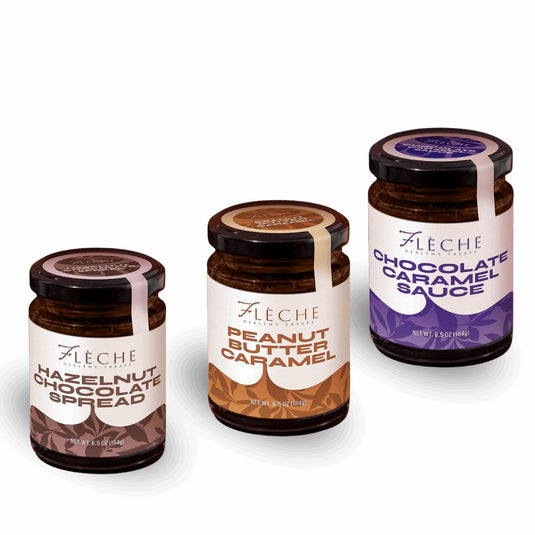
For example, in products like
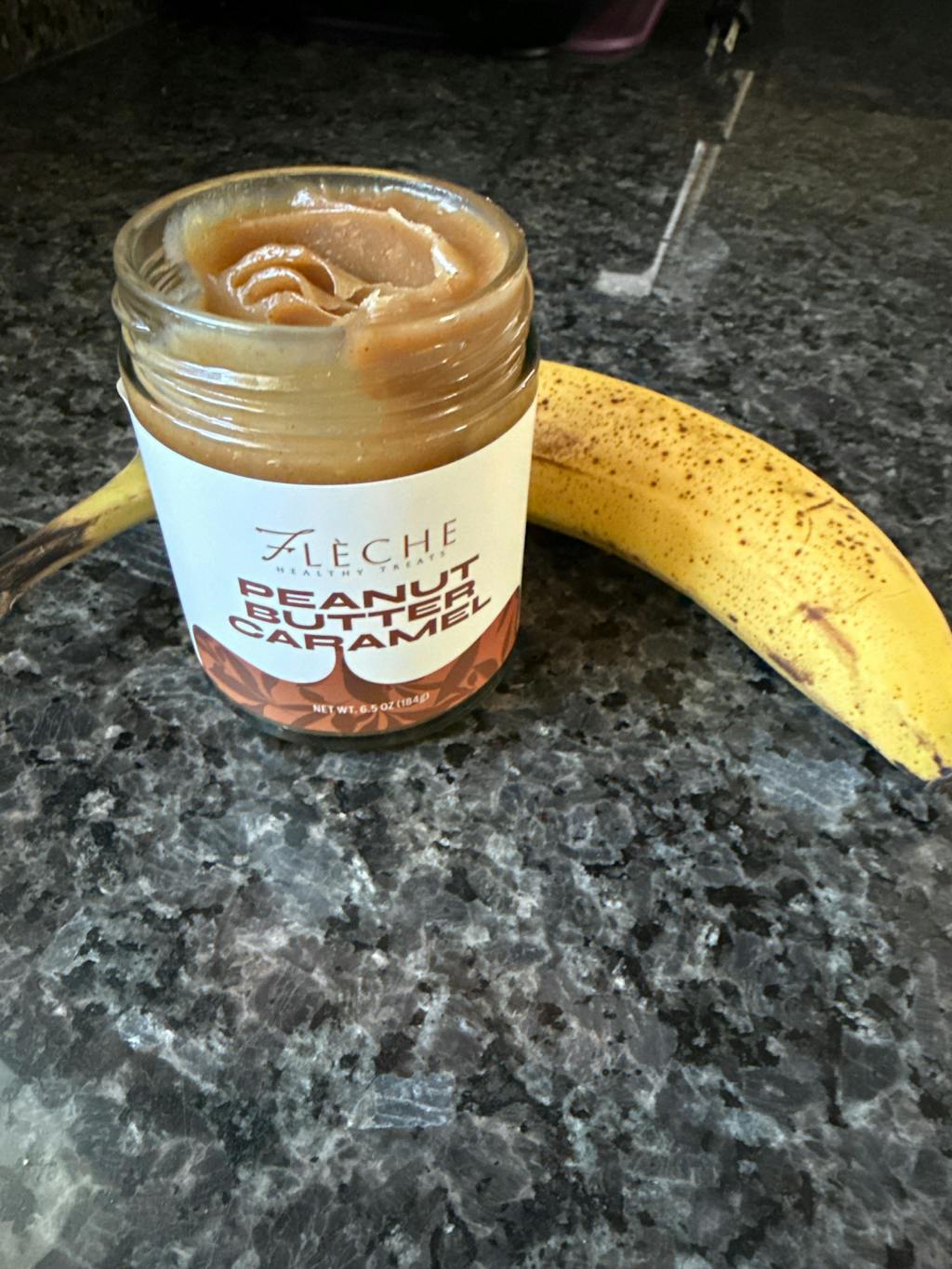
👉 Peanut Butter Caramel Spread
sorbitol helps create that smooth, rich texture without added sugar spikes.
2. In Functional Desserts
In clean-label formulations, sorbitol is often used in small, balanced amounts alongside other sweeteners.
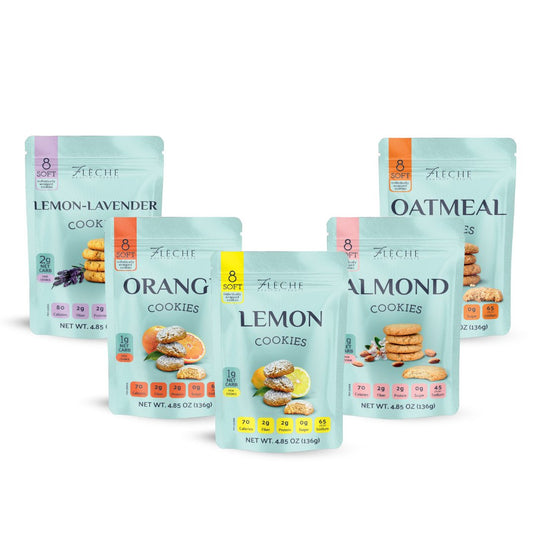
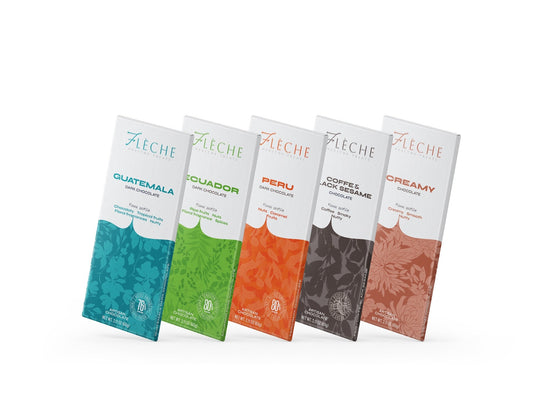
You’ll find it in products like our:
Why?
Because it helps:
- retain moisture (soft cookies instead of dry ones)
- improve mouthfeel
- reduce reliance on high-GI sugars
3. What Is Sorbitol in Toothpaste?
If you’ve seen it on labels and wondered:
what is sorbitol in toothpaste?
👉 In oral care, sorbitol acts as:
- a humectant (keeps toothpaste from drying out)
- a mild sweetener (without feeding harmful bacteria like sugar does)
4. What Is Sorbitol in Skin Care and Soap?
Sorbitol is also used in:
- skincare
- soap formulations
If you’re searching:
- what is sorbitol in skin care
- what is sorbitol in soap
👉 It helps:
- retain moisture
- improve texture
- prevent drying
5. What Is Sorbitol Solution or Syrup?
You may also see:
- what is sorbitol solution
- what is sorbitol syrup
👉 This refers to a liquid form of sorbitol, commonly used in:
- pharmaceuticals
- digestive support products
- food manufacturing
What Is Sorbitol Found In?
If you’re asking:
what is sorbitol found in?
Here’s where it naturally occurs:
Natural sources:
- apples
- pears
- peaches
- prunes
Added sources:
- sugar-free gum
- protein bars
- low-carb desserts
- diabetic-friendly foods
Is Sorbitol Safe to Eat?
One of the most important questions:
Is sorbitol safe?
👉 Yes — sorbitol is considered safe by regulatory authorities and widely used globally.
But there’s nuance.
Because of how it’s digested:
- it’s partially absorbed in the small intestine
- the rest reaches the colon
Can Sorbitol Cause Digestive Issues or Bloating?
Short answer: it depends on the dose and the person
Sorbitol is known to be:
- FODMAP-active
- fermentable in the gut
That means:
- small amounts → usually well tolerated
- large amounts → may cause bloating or discomfort
This is why formulation matters.
At Flèche Healthy Treats, we use:
- balanced sweetener systems
- fiber support (like chicory root inulin)
👉 to reduce digestive stress and improve tolerance.
Sorbitol vs Other Sugar Alcohols
Another key question:
What is the difference between sorbitol and other sugar alcohols?

👉 Sorbitol sits in the middle ground:
- better texture than erythritol
- gentler than some alternatives in small amounts
Is Sorbitol Good for You?
Here’s the honest, non-marketing answer:
Sorbitol can be beneficial when:
- used in moderation
- combined with other sweeteners
- part of a clean formulation
It helps:
- reduce sugar intake
- support stable blood sugar
- make healthy desserts actually enjoyable
The Real Problem Sorbitol Helps Solve
Most people don’t struggle because of one ingredient.
They struggle because:
- they crave sweets
- but sugar causes crashes, inflammation, and spikes
Sorbitol is one of the tools that helps solve that problem.
👉 Not by replacing sugar with chemicals
👉 But by rebuilding desserts from a metabolic perspective
Final Takeaway
So, what is sorbitol?
It’s not just a sweetener.
It’s part of a bigger shift toward:
- lower sugar intake
- stable energy
- smarter dessert design
And when used correctly, it allows something most people think is impossible:
👉 enjoying sweets without paying for it later