Almond Flour vs Regular Flour

Almond Flour vs Regular Flour: Nutrition, Baking, and When to Use Each

Here’s the part most people miss: the flour in your dessert can change how that dessert feels in your body.
You can eat something that looks “simple” and still feel heavy, bloated, tired, or craving more an hour later. And you can eat something rich and satisfying that feels much more balanced.
That difference often starts with the ingredients.
Want to Taste the Difference?
At Flèche Healthy Treats, we build desserts around thoughtful ingredients like almond flour, natural fibers, and sugar-free sweetness — so you can enjoy something rich without the usual heavy, sugar-loaded feeling.
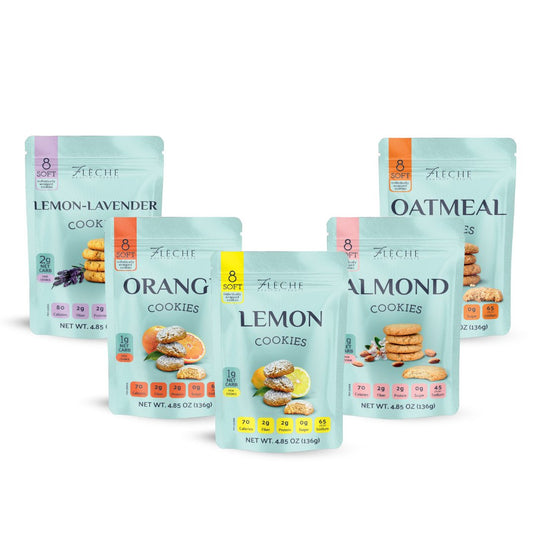
If you are curious how almond flour changes the texture of a cookie, start with these favorites.
[product=almondcookie]Soft, nutty, and irresistibly satisfying, our Almond Cookies are inspired by classic Italian almond cookies and reimagined for a healthier lifestyle. [/product]
[product=gluten-free-lemon-cookies]Soft. Zesty. Bright.Without gluten. Without dairy. Without added sugar.[/product]
So let’s talk about almond flour vs regular flour in a clear, practical way. Not in a textbook way. In a “what should I actually bake with?” way.
Quick Answer: Almond Flour vs Regular Flour
Regular flour, usually all-purpose wheat flour, is made from grain. It is higher in carbohydrates and contains gluten, which gives baked goods structure, chew, and rise.
Almond flour is made from finely ground almonds. It is naturally gluten free, lower in carbohydrates, higher in fat, and often more satisfying in desserts because it adds moisture, richness, and a soft texture.
That does not mean almond flour is perfect for everything. It behaves very differently in baking.
But when the goal is a better-for-you cookie, low carb flour alternatives, or gluten-free desserts that still taste indulgent, almond flour can be a beautiful ingredient.
The Real Problem Is Not “Flour.” It’s How the Whole Dessert Is Built.
A lot of people blame themselves for cravings.
They think, “I have no willpower.”
But many desserts are built in a way that makes you want more. Regular flour plus added sugar can create a fast, easy-to-overeat experience.
You feel satisfied for a few minutes, then the cravings come back. Sometimes you also feel heavy, sleepy, or uncomfortable after eating.
And then there is the other problem: many “healthy” desserts taste dry, bland, or overly artificial.
They may be gluten free, but they do not feel good. They may be lower in sugar, but they leave a strange aftertaste. They may look clean on the label, but they still do not satisfy the real craving.
This is why ingredients matter.
Not because one ingredient magically fixes everything, but because the right combination can change the whole experience.
A Smarter Cookie Starts With the Formula
This is why our cookies are not made like regular cookies. We use gluten-free ingredients, no added sugar, and a balanced formula designed to feel soft, rich, and satisfying — not dry, chalky, or “diet-like.”
When the whole dessert is built better, one cookie can actually feel complete.
[product=almondcookie]Soft, nutty, and irresistibly satisfying, our Almond Cookies are inspired by classic Italian almond cookies and reimagined for a healthier lifestyle. [/product]
[product=gluten-free-oatmeal-cookies]Hearty, chewy, and comforting, our gluten free oatmeal cookies deliver classic homemade flavor with a better-for-you twist. [/product]
What Is Almond Flour?
Almond flour is made from almonds that are ground into a fine flour.
Most almond flour used for baking is made from blanched almonds, which means the skins are removed before grinding. This gives it a lighter color and softer texture.
Almond meal is similar, but it is usually coarser and may include almond skins.
For delicate cookies, cakes, and premium desserts, fine almond flour usually works better.
Almond Flour Benefits
The biggest almond flour benefits are simple:
• It is naturally gluten free.
• It is lower in carbohydrates than regular flour.
• It adds healthy fats and richness.
• It helps create soft, moist baked goods.
• It brings a naturally satisfying texture without needing a heavy, dry base.
Try Almond Flour in a Real Dessert
Almond flour works beautifully when you want a cookie that feels soft, rich, and satisfying without regular wheat flour. That is exactly why we use it in our cookies — it gives them a naturally tender bite and a more indulgent texture.
[product=gluten-free-orange-cookies]
Our Orange cookies deliver the nostalgic citrus sweetness of classic orange sugar cookies — but reimagined as clean, almond flour orange cookies without gluten, dairy, or added sugar.
[/product]
[product=lemon-lavender-cookies]Delicate, floral, and beautifully balanced, our lemon lavender cookies offer a refined twist on classic cookies. Made with bright lemon zest and aromatic lavender, these gluten free lemon lavender cookies are softly baked and naturally sweetened for a light yet indulgent experience—without gluten, dairy, or sugar.[/product]
That is one reason almond flour for baking is so popular in gluten-free, keto-friendly, and low-carb recipes.
What Is Regular Flour?
Regular flour usually means all-purpose wheat flour.
It is common, affordable, easy to bake with, and predictable. It creates structure because it contains gluten.
Gluten is what helps bread stretch, cookies hold together, and cakes rise in a familiar way. This is why regular flour is so common in traditional baking.
But regular flour is also higher in carbohydrates and lower in fat and fiber compared with almond flour.
For some people, desserts made with regular flour may feel less satisfying and easier to overeat, especially when paired with added sugar.
That is why the question is not only, “Which flour tastes better?”
The better question is, “Which flour helps create the kind of dessert experience I actually want?”
Almond Flour Nutrition: What Makes It Different?

When people search for almond flour nutrition, they usually want to know three things: calories, carbs, and whether it is actually healthier.
Almond flour calories are not always low compared with regular flour. In fact, almond flour is usually higher in calories because almonds contain natural fats.
But calories alone do not tell the full story.
Almond flour is richer. It has more fat, more protein, and more fiber than regular flour. That can make desserts feel more satisfying with a smaller portion.
This is where many people get confused.
“Lower calorie” does not always mean more satisfying.
And “higher calorie” does not always mean worse.
A dessert that gives you richness, texture, and satisfaction may help you feel done instead of constantly reaching for more.
Richness Matters More Than Just Calories
A better dessert is not only about being “low calorie.” It should taste good, feel satisfying, and help you enjoy the moment without immediately wanting more.
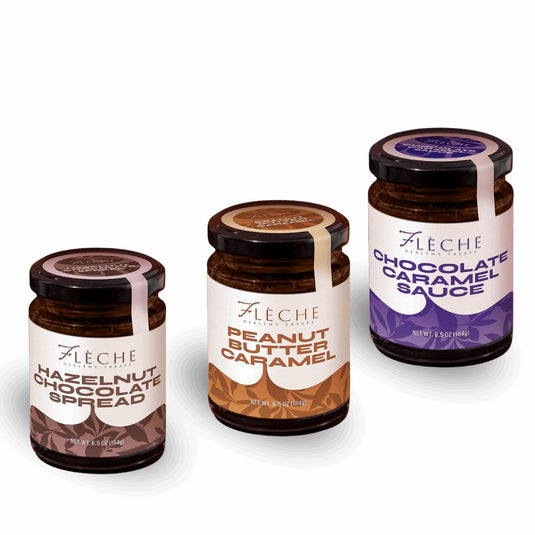
For a richer treat, pair a soft cookie with a spoon of our sugar-free chocolate caramel sauce or hazelnut chocolate spread.
[product=chocolate-caramel-sauce-sugar-free-keto-vegan-friendly-fleche-healthy-treats]Our sugar free chocolate sauce blends deep dark cocoa with luscious caramel notes to create a velvety, indulgent topping without added sugar. This isn’t just another chocolate drizzle — it’s a refined chocolate caramel sauce designed for modern, mindful lifestyles.[/product]
[product=hazelnut-chocolate-vegan-spread]Our vegan hazelnut spread is a refined, sugar-free reinterpretation of traditional chocolate hazelnut spreads. Designed as a true vegan Nutella alternative, this silky vegan chocolate hazelnut spread delivers deep roasted hazelnut flavor blended with rich cocoa — without dairy, without refined sugar, and without compromise.[/product]
Side-by-Side Nutrition Comparison
Almond flour and regular flour are not just different in calories. They behave differently in your body, in your recipes, and in the final texture of your dessert.
Here is the simple comparison:
Comparison Chart
Almond Flour vs Other Flours
Healthy Treats
| Flour Type | Carbs | Fiber | Blood Sugar Impact | Digestibility | Best Use |
|---|---|---|---|---|---|
| Almond Flour | Low | High | Low | Easier for many | Cookies, cakes, keto baking |
| Regular Flour | High | Low | High | Can feel heavy | Bread, structure baking |
| Oat Flour | Medium | Medium | Moderate | Depends on person | Muffins, pancakes |
| Buckwheat Flour | Medium | Medium | Moderate | Can feel dense | Rustic baking |
www.flechehealthytreats.com
The main takeaway: almond flour is not just a “healthy swap.” It is a completely different baking ingredient.
Regular flour gives structure and rise. Almond flour gives richness, moisture, and a more satisfying texture. That is why almond flour works so well in gluten-free cookies, sugar-free desserts, and low-carb treats when the recipe is built correctly.
Is Almond Flour Healthier?
The honest answer: it depends on the person, the recipe, and the goal.
If you are looking for a gluten free flour, almond flour is a strong option because it is naturally gluten free and works beautifully in many cookies, bars, crusts, and soft baked desserts.
If you are looking for a lower-carb baking ingredient, almond flour is usually a better fit than regular flour.
If you want classic bread structure, regular flour is easier to work with.
If you want rich, soft, satisfying desserts without using traditional wheat flour, almond flour can be a better choice.
So when someone asks, “Is almond flour healthier?” I would reframe the question.
Healthier for what?
For a soft cookie that feels indulgent but still fits a gluten-free lifestyle? Almond flour makes a lot of sense.
For a fluffy sandwich bread with traditional rise? Regular flour may perform better.
For a premium sugar-free dessert that needs flavor, moisture, and a satisfying bite? Almond flour can be a beautiful foundation.
Almond Flour vs All Purpose Flour in Baking
This is where things get practical.
Almond flour vs all purpose flour is not a simple 1:1 swap in most recipes.
Almond flour has no gluten, more fat, more moisture, and a heavier texture. That means it does not rise or bind the same way regular flour does.
If you replace all-purpose flour with almond flour without adjusting the recipe, your cookies may spread too much, crumble, or feel too dense.
But when a recipe is designed for almond flour from the beginning, the result can be excellent: soft texture, rich flavor, and a dessert that feels more premium.
Can You Substitute Almond Flour for Regular Flour?
Sometimes, but not always.
If you are asking, “Can you substitute almond flour for regular flour?” the safest answer is: only if the recipe is flexible or already designed for almond flour.
For cookies, you may be able to substitute part of the regular flour with almond flour, but the recipe often needs changes.
You may need more binder, less fat, a different baking time, or a different flour blend.
For cakes, muffins, and breads, the substitution is more complicated because structure matters more.
For best results, use tested almond flour recipes instead of guessing. This is especially important if you want gluten-free baking that does not taste dry or fall apart.
Does Almond Flour Taste Like Almonds?
Almond flour has a mild, nutty flavor, but it should not overpower the dessert when the recipe is balanced.
In cookies, it can add warmth and richness.
In chocolate desserts, it can make the texture feel deeper and more satisfying.
In citrus recipes, it pairs beautifully with lemon or orange because the nutty base supports the bright flavor.
This is one reason we love almond flour in premium healthy desserts.
It does not feel like a “replacement.”
It feels like an ingredient that belongs.
Where Almond Flour Really Shines
Almond flour is especially beautiful in cookies because it adds softness, richness, and a gentle nutty flavor. It pairs well with citrus, chocolate, vanilla, and warm flavors — which is why it works so well in our healthier cookie recipes.
[product=almondcookie]Soft, nutty, and irresistibly satisfying, our Almond Cookies are inspired by classic Italian almond cookies and reimagined for a healthier lifestyle. [/product]
[product=gluten-free-lemon-cookies]Soft. Zesty. Bright.Without gluten. Without dairy. Without added sugar.[/product]
[product=gluten-free-oatmeal-cookies]Hearty, chewy, and comforting, our gluten free oatmeal cookies deliver classic homemade flavor with a better-for-you twist. [/product]
Almond Flour Keto and Low-Carb Baking
Almond flour keto recipes are popular because almond flour is naturally lower in carbohydrates than regular flour.
It is one of the most common low carb flour alternatives for cookies, crusts, bars, and cakes.
But keto-friendly baking is not only about flour.
Sweeteners, fibers, fats, and portion size all matter too.
A cookie made with almond flour can still be poorly balanced if the rest of the recipe is not thoughtful.
And a sugar-free dessert can still taste disappointing if the texture is dry or the sweetener blend feels harsh.
That is why we look at the full formula: flour, sweetness, texture, fiber, fat, flavor, and how the dessert feels after you eat it.
The Myth: “Healthy Desserts Should Taste Less Indulgent”
This is the belief I want more people to let go of.
Healthy desserts should not taste like punishment.If a cookie is dry, chalky, or bland, you are not going to feel satisfied. You will probably keep searching for something else. That is not a willpower problem. That is a formulation problem. A better dessert should still feel like dessert. It should have flavor. It should have texture. It should feel complete.
Almond flour helps because it brings natural richness. It allows a gluten-free cookie to feel soft and satisfying instead of thin and empty.
That is the real shift: You do not need a “diet dessert.” You need a smarter dessert.
Why Flèche Bakes With Almond Flour
At Flèche Healthy Treats, we use almond flour because we care about the full dessert experience: taste, texture, ingredients, and how satisfying the product feels.
Our goal is not to make desserts that taste “almost healthy.”
Our goal is to make healthy desserts that taste real.
That is why almond flour is such an important ingredient in our baking. It gives our cookies a soft texture, a rich bite, and a naturally gluten-free base without relying on regular flour.
If you want to taste the difference, start with one of our almond-flour-based cookies. They are soft, gluten-free, dairy-free, sugar-free, and made for people who still want dessert to feel like dessert.
[product=gluten-free-lemon-cookies]Soft. Zesty. Bright.Without gluten. Without dairy. Without added sugar.[/product]
[product=lemon-lavender-cookies]Delicate, floral, and beautifully balanced, our lemon lavender cookies offer a refined twist on classic cookies. Made with bright lemon zest and aromatic lavender, these gluten free lemon lavender cookies are softly baked and naturally sweetened for a light yet indulgent experience—without gluten, dairy, or sugar.[/product]
[product=gluten-free-orange-cookies]Our Orange cookies deliver the nostalgic citrus sweetness of classic orange sugar cookies — but reimagined as clean, almond flour orange cookies without gluten, dairy, or added sugar.[/product]
They are made for people who want something sweet, satisfying, and thoughtful without the usual sugar-loaded dessert experience.
Make It Feel Like a Real Dessert
If you want a richer treat, pair your cookies with one of our dairy-free, sugar-free vegan spreads. They add that creamy, chocolatey dessert feeling without regular sugar, dairy, or traditional chocolate spread ingredients.
[product=hazelnut-chocolate-vegan-spread]
Chocolate hazelnut spread delivers deep roasted hazelnut flavor blended with rich cocoa — without dairy, without refined sugar, and without compromise.
[/product]
[product=chocolate-caramel-sauce-sugar-free-keto-vegan-friendly-fleche-healthy-treats]
Our sugar free chocolate sauce blends deep dark cocoa with luscious caramel notes to create a velvety, indulgent topping without added sugar. This isn’t just another chocolate drizzle — it’s a refined chocolate caramel sauce designed for modern, mindful lifestyles.
[/product]
[product=fleche-peanut-caramel]Our peanut butter caramel is where creamy roasted peanuts meet smooth, sugar-free caramel in one irresistible jar. This rich, velvety peanut butter spread delivers indulgent flavor without added sugar — crafted for modern, mindful lifestyles.[/product]
Want Something Simple After Dinner?
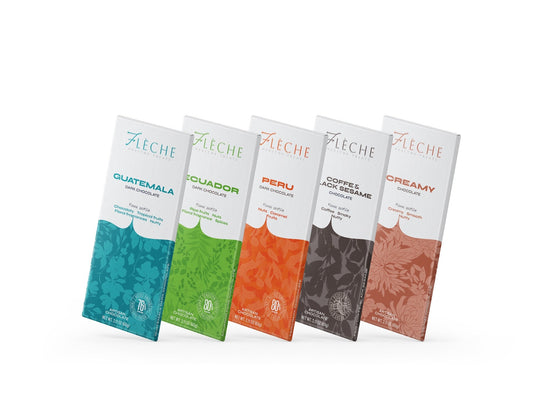
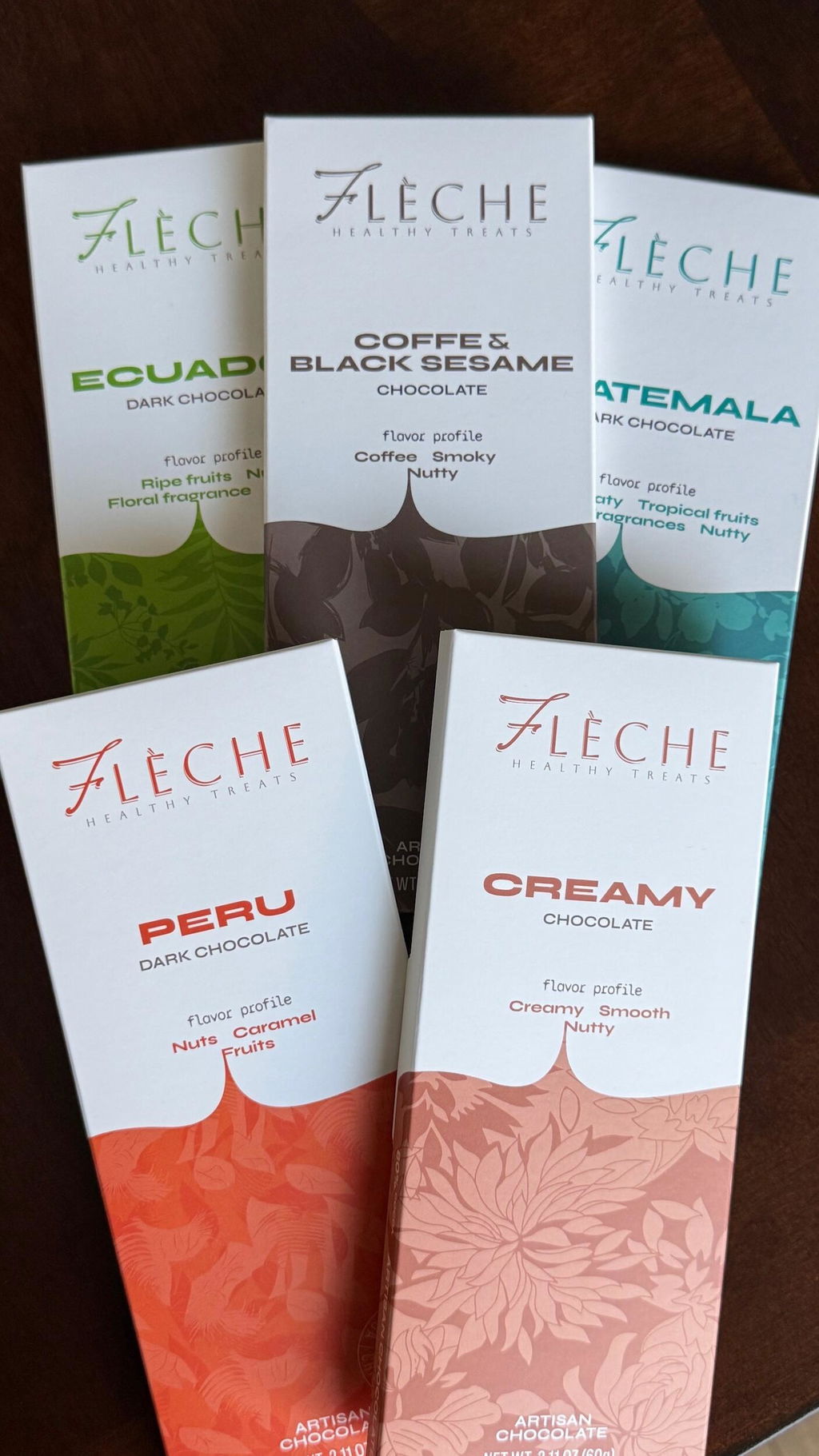
If you are not in the mood for cookies, a piece of dairy-free, sugar-free vegan chocolate can be a simple way to enjoy something sweet without going back to traditional candy.
[product=vegan-sugar-free-creamy-chocolate-fleche]This is creamy vegan milk chocolate with a silky, melt-in-your-mouth texture — without dairy, without added sugar, and without artificial aftertaste.[/product]
[product=vegan-sugar-free-coffee-black-sesame-chocolate-fleche]Our coffee chocolate is crafted for those who love deep, sophisticated flavor. This rich bar combines aromatic coffee with the toasty, slightly smoky notes of black sesame — all wrapped in smooth, dark sugar free coffee chocolate.[/product]
[product=fleche-white-chocolate]Our sugar free white chocolate is crafted for those who crave creamy white chocolate flavor without the added sugar. Smooth, rich, and naturally sweetened, this bar delivers the classic sweetness you love — reimagined for a cleaner, smarter indulgence.[/product]
Small upgrade. Big difference.
When to Use Almond Flour
Use almond flour when you want:
• A naturally gluten-free base.
• A softer, richer cookie texture.
• A lower-carb dessert option.
• A mild nutty flavor.
• A flour that works well with chocolate, citrus, vanilla, berries, and warm spices.
Almond flour is especially useful in cookies, tart crusts, brownies, soft bars, and many low-carb desserts.
When Regular Flour Works Better
Regular flour can still be useful when you want strong structure, elasticity, or a classic rise.
It works well in traditional breads, certain cakes, pastries, and recipes where gluten is important.
But if your goal is gluten free flour, low-carb baking, or a more satisfying healthy dessert, regular flour may not be the best fit.
Again, it depends on the result you want.
Best Low-Carb Flour Alternatives Compared
Almond flour is one of the most popular low carb flour alternatives, but it is not the only one.
Coconut flour, seed flours, and certain fiber-based blends are also used in low-carb baking.
Each one behaves differently.
Coconut flour absorbs a lot of moisture and can make baked goods dry if used incorrectly.
Seed flours can have a stronger flavor.
Fiber blends can improve texture, but they need careful formulation.
This is why premium healthy baking is not about throwing ingredients together. It is about knowing how each ingredient behaves.
How to Store Almond Flour
Because almond flour contains natural oils, it should be stored carefully. Keep it in an airtight container. Store it in a cool, dry place if you use it quickly. For longer storage, the refrigerator or freezer is better.
If almond flour smells bitter, sharp, or stale, it is probably past its best point.
Fresh almond flour should smell mild and slightly nutty.
Best Flèche Treats Made for This Kind of Dessert Experience
If this article made you rethink regular flour, start with treats that already use a more thoughtful formula. These are made for people who want gluten-free, sugar-free, dairy-free desserts that still taste rich and satisfying.
[product=almondcookie]Soft, nutty, and irresistibly satisfying, our Almond Cookies are inspired by classic Italian almond cookies and reimagined for a healthier lifestyle. [/product]
[product=gluten-free-lemon-cookies]Soft. Zesty. Bright.Without gluten. Without dairy. Without added sugar.[/product]
[product=chocolate-caramel-sauce-sugar-free-keto-vegan-friendly-fleche-healthy-treats]Our sugar free chocolate sauce blends deep dark cocoa with luscious caramel notes to create a velvety, indulgent topping without added sugar. This isn’t just another chocolate drizzle — it’s a refined chocolate caramel sauce designed for modern, mindful lifestyles.[/product]
Final Takeaway: Almond Flour vs Regular Flour
The real difference between almond flour vs regular flour is not just carbs, calories, or gluten.
It is the kind of dessert you are trying to create.
Regular flour is predictable and traditional.
Almond flour is rich, naturally gluten free, lower in carbs, and excellent for soft, satisfying desserts when the recipe is built correctly.
If you want desserts that feel indulgent but are made with more thoughtful ingredients, almond flour is a strong place to start.
Start With the Cookies That Show the Difference
The easiest way to understand almond flour is to taste it in a cookie that was built for it from the beginning. These two are soft, satisfying, gluten-free, dairy-free, and made without added sugar.
[product=almondcookie]
Soft, nutty, and irresistibly satisfying, our Almond Cookies are inspired by classic Italian almond cookies and reimagined for a healthier lifestyle.
[/product]
[product=gluten-free-lemon-cookies]
Gluten Free Lemon Cookies That Don't Taste “Gluten Free”. Inspired by Italian Amaretti and French Macarons. Eat cookie and dont't think about your shape.
[/product]