What Is Monk Fruit Sweetener? Benefits, Side Effects & How It Compares

You want to cut sugar. But you still want your coffee, cookies, chocolate, and desserts to taste good.
That is where the confusion starts. Monk fruit and stevia both sound healthy. Both are zero-calorie sweeteners. Both are used in sugar-free desserts. But they do not taste the same, bake the same, or feel the same for everyone.
So which one is better?
The real answer is simple: it depends on your taste, digestion, and how you plan to use it.
Let’s compare monk fruit vs stevia in a clear, practical way.
What Is Monk Fruit?
Monk fruit is a small round fruit, also known as luo han guo. It has been grown in Southeast Asia for centuries and has a long history of use in traditional foods and drinks.
Monk fruit sweetener is made by extracting the naturally sweet compounds from the fruit. These compounds are called mogrosides.
Mogrosides are very sweet, but they are not sugar. That is why monk fruit can create sweetness without adding regular sugar, calories, or carbohydrates in the same way table sugar does.
This is one reason monk fruit has become popular in sugar-free desserts, low-carb baking, chocolate, spreads, and better-for-you treats.
Taste Monk Fruit in a Real Dessert
The best way to understand monk fruit is not only to read about it — it is to taste how it works in a real sugar-free healthy dessert. When used correctly, it can give sweetness without the heavy sugar feeling or strong bitter aftertaste.
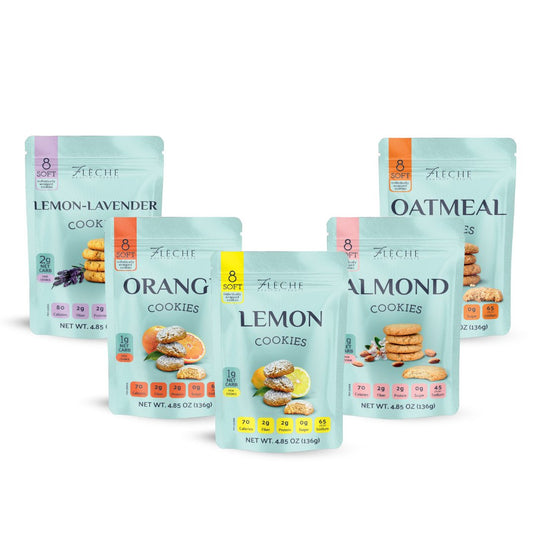
If you want a simple place to start, try one of our soft, satisfying cookies made for better-for-you dessert cravings.
[product=almondcookie]Soft, nutty, and irresistibly satisfying, our Almond Cookies are inspired by classic Italian almond cookies and reimagined for a healthier lifestyle. [/product]
[product=gluten-free-lemon-cookies]Soft. Zesty. Bright.Without gluten. Without dairy. Without added sugar.[/product]
Why People Like Monk Fruit
Monk fruit is popular because it usually has a smooth, clean sweetness.
Many people find it closer to sugar than other natural zero-calorie sweeteners. It does not usually have the strong bitter finish that some people notice with stevia.
That makes monk fruit a strong option for desserts where flavor matters.
What Is Stevia?
Stevia is a plant-based sweetener made from the leaves of the stevia plant.
The sweet compounds in stevia are called steviol glycosides. These compounds are much sweeter than sugar, so only a small amount is needed.
Stevia has been used for many years in drinks, protein powders, sugar-free products, and low-calorie foods.
Like monk fruit, stevia does not significantly raise blood sugar when used without added sugars. That is why many people use it as a sugar alternative.
Why People Like Stevia
Stevia is easy to find, usually affordable, and very sweet.
It works well in drinks, teas, smoothies, and some recipes where only a small amount of sweetness is needed.
But taste is where stevia can be tricky.
Some people like it. Others notice a bitter, herbal, or licorice-like aftertaste. This depends on the quality of the stevia, the amount used, and what it is mixed with.
Monk Fruit vs Stevia: Side-by-Side Comparison Table
| Sweetener | Blood Sugar Impact | Taste | Digestibility | Best Use |
|---|---|---|---|---|
| Monk Fruit | None | Smooth, sugar-like | Easy | Desserts, baking |
| Sugar | High | Familiar | Easy | Occasional treats |
| Stevia | None | Bitter finish | Moderate | Drinks |
| Erythritol | Low | Cooling | Can cause bloating | Baking blends |
Takeaway:
Monk fruit usually wins for taste and dessert formulation. Stevia often wins for price and availability. But the best choice depends on what you are making and how your body responds.
When Taste Matters, Formula Matters
This is especially true with chocolate, sauces, and creamy desserts. A sweetener can look good on a label, but if the full recipe is not balanced, the final product can taste too sharp, too cooling, or too artificial.
That is why our sugar-free chocolate sauce is built around flavor, texture, and sweetness together — not just one ingredient.
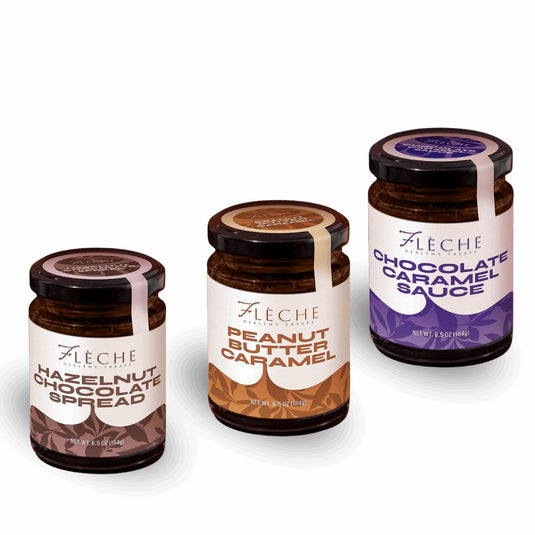
[product=chocolate-caramel-sauce-sugar-free-keto-vegan-friendly-fleche-healthy-treats]Our sugar free chocolate sauce blends deep dark cocoa with luscious caramel notes to create a velvety, indulgent topping without added sugar. This isn’t just another chocolate drizzle — it’s a refined chocolate caramel sauce designed for modern, mindful lifestyles.[/product]
Taste & Aftertaste Compared
Taste is the biggest difference between monk fruit and stevia.
Both are sweet. But the experience is not the same.
Monk Fruit Taste
Monk fruit has a softer sweetness.
It is often described as:
• Smooth
• Clean
• Lightly fruity
• Closer to sugar
• Less bitter than stevia
This makes it useful in desserts where the sweetener should not dominate the flavor.
For example, if you are making chocolate, cookies, or creamy spreads, monk fruit can blend into the recipe without making the final product taste “diet.”
No “Diet Dessert” Aftertaste
This is one of the biggest reasons we focus on balanced sweetener blends. A good sugar-free dessert should taste smooth and complete — not bitter, artificial, or like something is missing.
If you want a chocolate option that feels creamy and satisfying without dairy or added sugar, this is a great one to try.
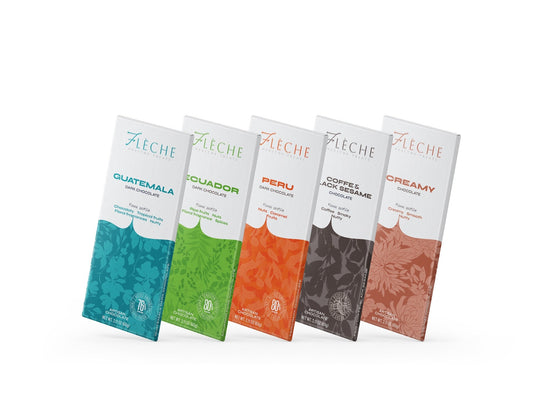
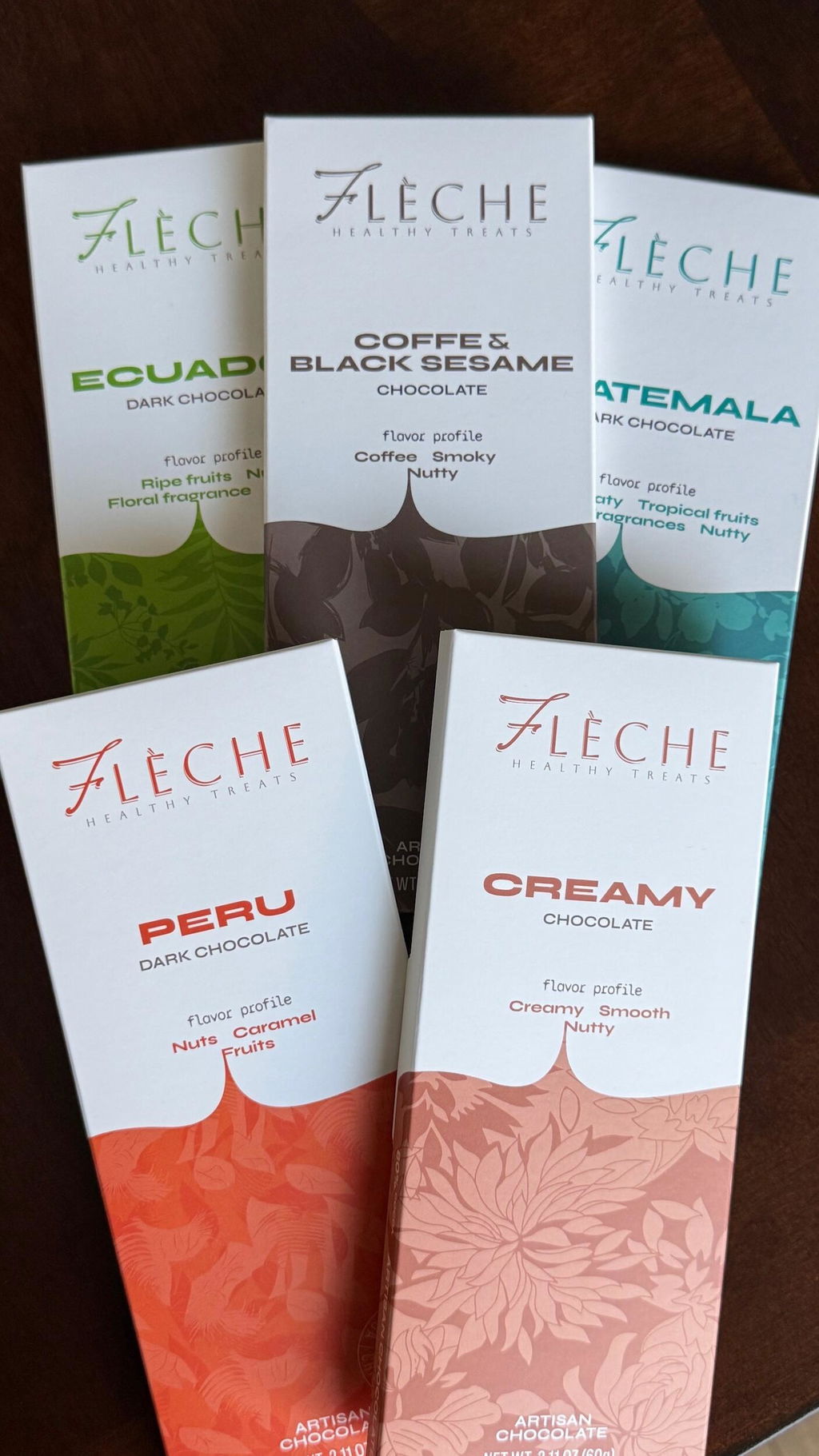
[product=vegan-sugar-free-creamy-chocolate-fleche]This is creamy vegan milk chocolate with a silky, melt-in-your-mouth texture — without dairy, without added sugar, and without artificial aftertaste.[/product]
Stevia Taste
Stevia is also very sweet, but it can have a stronger personality.
Some people describe stevia as:
• Herbal
• Sharp
• Slightly bitter
• Licorice-like
• Lingering on the tongue
This does not mean stevia is bad. It means stevia needs careful formulation.
In drinks, it can work very well. In desserts, especially chocolate or baked goods, the aftertaste can become more noticeable if too much is used.
Which Tastes More Like Sugar?
For most people, monk fruit tastes more like sugar than stevia.
That is why monk fruit is often preferred in premium sugar-free desserts.
[product=vegan-sugar-free-coffee-black-sesame-chocolate-fleche]Our coffee chocolate is crafted for those who love deep, sophisticated flavor. This rich bar combines aromatic coffee with the toasty, slightly smoky notes of black sesame — all wrapped in smooth, dark sugar free coffee chocolate.[/product]
Stevia can still be useful, especially when blended with other sweeteners. But alone, it may be more noticeable.
Health Effects & Side Effects
Both monk fruit and stevia are commonly used by people who want to reduce sugar.
They are both considered zero-calorie or very low-calorie sweeteners and do not significantly raise blood sugar when used properly.
But your personal response matters.
Monk Fruit Health Effects
Monk fruit does not contain regular sugar carbohydrates. Because of that, it does not create the same blood sugar spike as table sugar.
People often choose monk fruit when they want to:
• Reduce added sugar
• Avoid sugar crashes
• Support stable energy
• Enjoy sweet foods with fewer carbohydrates
• Make sugar-free desserts taste better
Monk fruit itself is usually gentle for digestion.
But many monk fruit products are blends. Some blends may include other sweeteners that can affect digestion in sensitive people.
Monk Fruit Side Effects
Possible monk fruit side effects are usually mild and often depend on the full product formula.
Some people may notice:
• Digestive discomfort from blended ingredients
• Cravings if sweet taste triggers appetite
• Sensitivity if used in large amounts
Pure monk fruit is generally well tolerated.
Stevia Health Effects
Stevia is also used as a sugar alternative because it does not significantly raise blood sugar.
People often choose stevia when they want:
• A plant-based sweetener
• A zero-calorie sugar alternative
• Something easy to add to drinks
• A sweetener that is widely available
Stevia can be a good option, but the taste and digestion experience can vary.
Stevia Side Effects
Some people tolerate stevia well. Others may notice:
• Bitter aftertaste
• Digestive sensitivity
• Nausea if too much is used
• Strong lingering sweetness
Again, this depends on the product quality, dose, and blend.
Which Is Better for Blood Sugar?
Both monk fruit and stevia are good options if your goal is to avoid a sugar spike.
Neither one significantly raises blood sugar when used without added sugars.
But if you are choosing a finished dessert, look at the full nutrition label. A product can contain monk fruit or stevia and still have other ingredients that affect blood sugar.
The sweetener matters, but the whole recipe matters more.
Built for the Whole Dessert Experience
At Flèche Healthy Treats, we do not just replace sugar and call it done. We look at the full dessert experience: sweetness, texture, fiber, fats, mouthfeel, and how satisfying the treat feels after you eat it.
That is why our Gluten Free Cookies and Vegan Spread are made to taste rich and real — without relying on traditional sugar.
[product=almondcookie]Soft, nutty, and irresistibly satisfying, our Almond Cookies are inspired by classic Italian almond cookies and reimagined for a healthier lifestyle. [/product]
[product=chocolate-caramel-sauce-sugar-free-keto-vegan-friendly-fleche-healthy-treats]Our sugar free chocolate sauce blends deep dark cocoa with luscious caramel notes to create a velvety, indulgent topping without added sugar. This isn’t just another chocolate drizzle — it’s a refined chocolate caramel sauce designed for modern, mindful lifestyles.[/product]
[product=hazelnut-chocolate-vegan-spread]Our vegan hazelnut spread is a refined, sugar-free reinterpretation of traditional chocolate hazelnut spreads. Designed as a true vegan Nutella alternative, this silky vegan chocolate hazelnut spread delivers deep roasted hazelnut flavor blended with rich cocoa — without dairy, without refined sugar, and without compromise.[/product]
Which Is Better for Baking and Cooking?
This is where food science matters. Sugar does more than make food sweet.
It also affects:
• Texture
• Moisture
• Browning
• Structure
• Mouthfeel
• Shelf life
That means replacing sugar with monk fruit or stevia is not always simple.
Monk Fruit for Baking
Monk fruit is usually better for baking than stevia, especially when used in a baking blend.
It works well in:
• Cookies
• Brownies
• Cakes
• Chocolate
• Sauces
• Spreads
• Low-carb desserts
Sugar-Free Baking That Still Feels Like Dessert
Cookies are one of the best places to see the difference. When sweetness, flour, fat, and texture are balanced correctly, a sugar-free cookie can still feel soft, rich, and satisfying.
That is the kind of dessert we create at Flèche — sweet enough to enjoy, but made without the usual sugar-loaded formula.
[product=almondcookie]Soft, nutty, and irresistibly satisfying, our Almond Cookies are inspired by classic Italian almond cookies and reimagined for a healthier lifestyle. [/product]
[product=gluten-free-oatmeal-cookies]Hearty, chewy, and comforting, our gluten free oatmeal cookies deliver classic homemade flavor with a better-for-you twist. [/product]
[product=gluten-free-lemon-cookies]Soft. Zesty. Bright.Without gluten. Without dairy. Without added sugar.[/product]
Monk fruit has a cleaner flavor, so it is less likely to overpower the recipe.
But pure monk fruit extract is extremely sweet. If you use too much, the dessert can taste overly sweet or unbalanced.
For baking, a monk fruit blend is often easier to measure.
Stevia for Baking
Stevia can be used in baking, but it is more difficult to balance.
Because stevia is very concentrated, it does not replace the bulk, moisture, or texture that sugar provides.
It may work in:
• Drinks
• Smoothies
• Yogurt
• Light sauces
• Small-batch recipes
But in cookies, cakes, and chocolate, stevia can create a noticeable aftertaste if not balanced correctly.
Best Choice for Desserts
For most dessert recipes, monk fruit is usually the better choice. It tastes smoother and blends more naturally into sweet foods. Stevia can still work, especially in blends, but it requires more careful formulation.
Better for Desserts Means Better for Cravings
When you want dessert, you want it to feel like dessert. Smooth sweetness matters. Texture matters. A rich bite matters.
That is why these Flèche favorites are made for people who want sugar-free treats without the bitter aftertaste or “diet food” feeling.
[product=vegan-sugar-free-creamy-chocolate-fleche]This is creamy vegan milk chocolate with a silky, melt-in-your-mouth texture — without dairy, without added sugar, and without artificial aftertaste.[/product]
[product=chocolate-caramel-sauce-sugar-free-keto-vegan-friendly-fleche-healthy-treats]Our sugar free chocolate sauce blends deep dark cocoa with luscious caramel notes to create a velvety, indulgent topping without added sugar. This isn’t just another chocolate drizzle — it’s a refined chocolate caramel sauce designed for modern, mindful lifestyles.[/product]
[product=fleche-peanut-caramel]Our peanut butter caramel is where creamy roasted peanuts meet smooth, sugar-free caramel in one irresistible jar. This rich, velvety peanut butter spread delivers indulgent flavor without added sugar — crafted for modern, mindful lifestyles.[/product]
Cost & Availability
Stevia is usually easier to find and often less expensive. You can find stevia in most grocery stores, coffee shops, protein powders, drink mixes, and sugar-free products.
Monk fruit is also becoming more common, but it is usually more expensive.
Why Is Monk Fruit More Expensive?
Monk fruit costs more because it is harder to grow, harvest, process, and extract. The fruit is delicate, and the sweet mogrosides must be carefully extracted to create a clean-tasting sweetener.
That extra processing adds cost. This is one reason monk fruit is often used in premium sugar-free products.
Is Monk Fruit Worth the Price?
If taste matters to you, yes.
Monk fruit is often worth it for desserts because it gives a smoother, more sugar-like sweetness.
If you only need a sweetener for tea or coffee, stevia may be enough.
But if you want cookies, chocolate, or spreads that taste rich and satisfying, monk fruit often performs better.
Premium Sweetness for Premium Treats
This is where monk fruit makes the most sense: desserts where flavor truly matters. If you are choosing a sugar-free treat, you still deserve something smooth, rich, and enjoyable.
These are great options when you want sweetness without going back to regular sugar.
[product=almondcookie]Soft, nutty, and irresistibly satisfying, our Almond Cookies are inspired by classic Italian almond cookies and reimagined for a healthier lifestyle. [/product]
[product=vegan-sugar-free-creamy-chocolate-fleche]This is creamy vegan milk chocolate with a silky, melt-in-your-mouth texture — without dairy, without added sugar, and without artificial aftertaste.[/product]
[product=hazelnut-chocolate-vegan-spread]Our vegan hazelnut spread is a refined, sugar-free reinterpretation of traditional chocolate hazelnut spreads. Designed as a true vegan Nutella alternative, this silky vegan chocolate hazelnut spread delivers deep roasted hazelnut flavor blended with rich cocoa — without dairy, without refined sugar, and without compromise.[/product]
Verdict: Which Should You Choose?
So, monk fruit vs stevia: which one is right for you?
Choose monk fruit if you want:
• A smoother taste
• Less aftertaste
• A better option for desserts
• A more sugar-like sweetness
• A sweetener that works well in premium recipes
Choose stevia if you want:
• A more affordable option
• Something easy to find
• A sweetener for drinks
• A very concentrated plant-based sweetener
• A simple option for coffee or tea
Best Overall for Taste
Monk fruit.
It usually tastes cleaner and more natural in desserts.
Best for Drinks
Stevia can work well, especially in small amounts.
Best for Baking
Monk fruit, especially in a baking blend.
Best for Sensitive Taste Buds
Monk fruit.
Stevia’s aftertaste can be too strong for some people.
Best for Budget
Stevia.
It is usually more affordable and easier to find.
Why Flèche Healthy Treats Uses Smart Sweetener Blends
At Flèche Healthy Treats, we do not believe healthy desserts should taste like a compromise.
That is why we focus on balanced formulation, not just one trendy ingredient.
Monk fruit can help create clean sweetness without added sugar. But the final result depends on the full recipe: fats, fibers, texture, flavor, and how everything works together.
That is how we create desserts that taste rich, smooth, and satisfying.
Then add this text before the products:
Taste the Difference in Real Flèche Treats
If you want to skip the trial and error, start with products already built around better sweetener formulation. These treats are sugar-free, gluten-free, dairy-free, and made to taste like real dessert.
[product=almondcookie]
Soft, nutty, and irresistibly satisfying, our Almond Cookies are inspired by classic Italian almond cookies and reimagined for a healthier lifestyle.
[/product]
[product=chocolate-caramel-sauce-sugar-free-keto-vegan-friendly-fleche-healthy-treats]Our sugar free chocolate sauce blends deep dark cocoa with luscious caramel notes to create a velvety, indulgent topping without added sugar. This isn’t just another chocolate drizzle — it’s a refined chocolate caramel sauce designed for modern, mindful lifestyles.[/product]
[product=hazelnut-chocolate-vegan-spread]Our vegan hazelnut spread is a refined, sugar-free reinterpretation of traditional chocolate hazelnut spreads. Designed as a true vegan Nutella alternative, this silky vegan chocolate hazelnut spread delivers deep roasted hazelnut flavor blended with rich cocoa — without dairy, without refined sugar, and without compromise.[/product]
[product=fleche-vegan-chocolate-bundle]
Artisan craftsmanship with premium-quality chocolate made with care and expertise
[/product]
The goal is simple:
• Sweetness without the sugar crash.
• Better ingredients without the “diet food” feeling.
• Dessert that feels good while you eat it and after.
Final Thought
Monk fruit and stevia are both useful zero-calorie sweeteners.
But they are not identical.
Monk fruit is usually smoother, better for desserts, and easier to enjoy if you dislike bitter aftertaste.
Stevia is affordable, easy to find, and works well in drinks.
If your goal is simply to sweeten tea, either one may work.
If your goal is to enjoy sugar-free desserts that actually taste good, monk fruit is usually the better choice.
And if you want to skip the trial and error, explore Flèche Healthy Treats.
Start with our gluten free cookies, vegan spreads, or vegan chocolate and taste how better sweetener formulation can change the whole dessert experience.
[product=almondcookie]Soft, nutty, and irresistibly satisfying, our Almond Cookies are inspired by classic Italian almond cookies and reimagined for a healthier lifestyle. [/product]
[product=chocolate-caramel-sauce-sugar-free-keto-vegan-friendly-fleche-healthy-treats]Our sugar free chocolate sauce blends deep dark cocoa with luscious caramel notes to create a velvety, indulgent topping without added sugar. This isn’t just another chocolate drizzle — it’s a refined chocolate caramel sauce designed for modern, mindful lifestyles.[/product]
[product=hazelnut-chocolate-vegan-spread]Our vegan hazelnut spread is a refined, sugar-free reinterpretation of traditional chocolate hazelnut spreads. Designed as a true vegan Nutella alternative, this silky vegan chocolate hazelnut spread delivers deep roasted hazelnut flavor blended with rich cocoa — without dairy, without refined sugar, and without compromise.[/product]
You do not have to give up sweet treats. You just need desserts built with better ingredients.