Do Artificial Sweeteners Cause Bloating?

What’s Really Happening in Your Gut
You switch to sugar-free desserts to feel better.
But instead…
you feel bloated, gassy, or uncomfortable.
So you start asking:
do artificial sweeteners cause bloating?
Here’s the truth most people don’t hear:
👉 Not all sweeteners cause bloating.
👉 And not all sugar-free products are created the same.
Why Do Artificial Sweeteners Cause Bloating (For Some People)?
If you’re wondering why do artificial sweeteners cause bloating, the answer isn’t as simple as “they’re bad.”
What actually causes the problem is this:
- Certain sweeteners aren’t fully absorbed
- They reach the colon
- Gut bacteria ferment them
- Gas is produced
That’s when people experience:
- Bloating
- Gas
- Pressure
- Discomfort
So yes — do artificial sweeteners cause gas and bloating?
They can.
But here’s what matters:
👉 It depends on the type of sweetener and how it’s used
Are Artificial Sweeteners Bad for You?
The question are artificial sweeteners bad for you is often oversimplified.
Some may:
- Disrupt gut bacteria
- Cause digestive symptoms
- Affect how your body responds to sweetness
But lumping all sweeteners together is a mistake.
Because the real issue is not just the ingredient —
it’s the quality of formulation.
Artificial Sweeteners List: Not All Are Equal
Let’s break this down clearly.
Synthetic sweeteners (more problematic for some people)
- Aspartame
- Sucralose
- Saccharin
- Acesulfame K
These are often associated with gut discomfort and are commonly discussed when people report symptoms.
Sugar alcohols (where confusion happens)
- Sorbitol
- Erythritol
- Isomalt
- Maltitol
- Xylitol
Most people assume all sugar alcohols are the same.
They’re not.
The Real Problem: Maltitol (And Why We Don’t Use It)
Let’s be very clear here.
👉 Maltitol is one of the biggest causes of bloating and GI issues in sugar-free products.
It is:
- Poorly absorbed
- Highly fermentable
- Commonly used in large amounts
This is why many people experience:
- Severe bloating
- Gas
- Laxative effects
after eating “sugar-free” candy or chocolate.
This is also why we never use maltitol in our products.
The Truth About Sorbitol, Erythritol, and Isomalt
Now let’s correct a big misconception.
Ingredients like sorbitol, erythritol, and isomalt are often blamed — but the reality is different.
👉 When used in balanced, well-designed formulations, they do not automatically cause bloating, gas, or diarrhea.
Here’s why:
- Erythritol is mostly absorbed before fermentation
- Sorbitol can be well tolerated in controlled amounts
- Isomalt is gentle when not overused
The issue is not the ingredient.
It’s how much and how it’s combined.
Sucralose Side Effects and Gut Response
Looking at sucralose side effects, many people report:
- Digestive discomfort
- Changes in gut microbiota
- Bloating
This is why some “zero sugar” products still leave people feeling worse — even without sugar alcohols.
Is Stevia Safe?
Another common question: is stevia safe?
- Pure stevia → generally well tolerated
- Highly processed blends → may cause issues
Again, formulation matters more than marketing claims.
Why Some Sugar-Free Foods Cause Bloating (And Others Don’t)
When people ask:
do artificial sweeteners cause stomach bloating?
They’re usually reacting to:
❌ High doses of maltitol
❌ Overloaded formulas
❌ Poor ingredient combinations
But when products are designed correctly:
✔ Balanced sweetener systems
✔ Controlled amounts
✔ Digestive awareness
The experience is completely different.
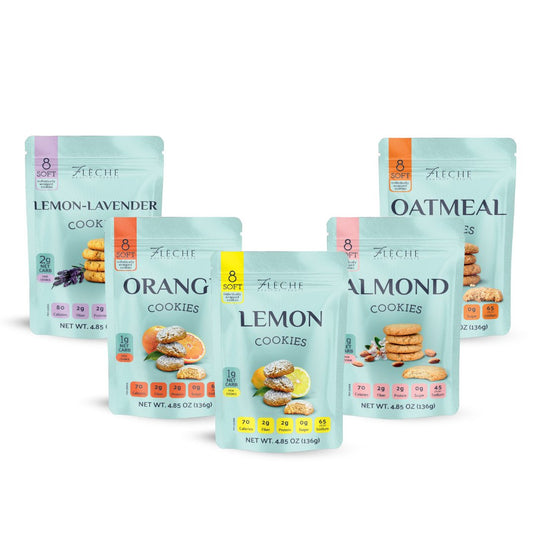
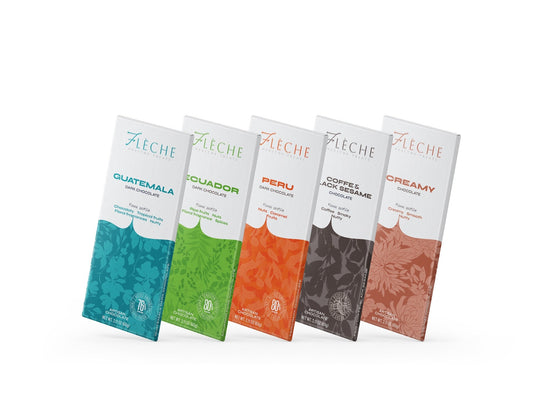
Why Flèche Healthy Treats Feel Different
We don’t just make sugar-free desserts.
We engineer them.
At Flèche Healthy Treats, we:
- Never use maltitol
- Carefully balance sorbitol, erythritol, and isomalt
- Design recipes for digestion — not just sweetness
That’s why our customers don’t deal with:
- Bloating
- Gas
- Digestive discomfort
Real Desserts — Without the Aftermath
This means you can enjoy:
👉 Healthy desserts that feel light and satisfying
👉 Gluten free cookies without digestive stress
👉 Vegan chocolate without discomfort
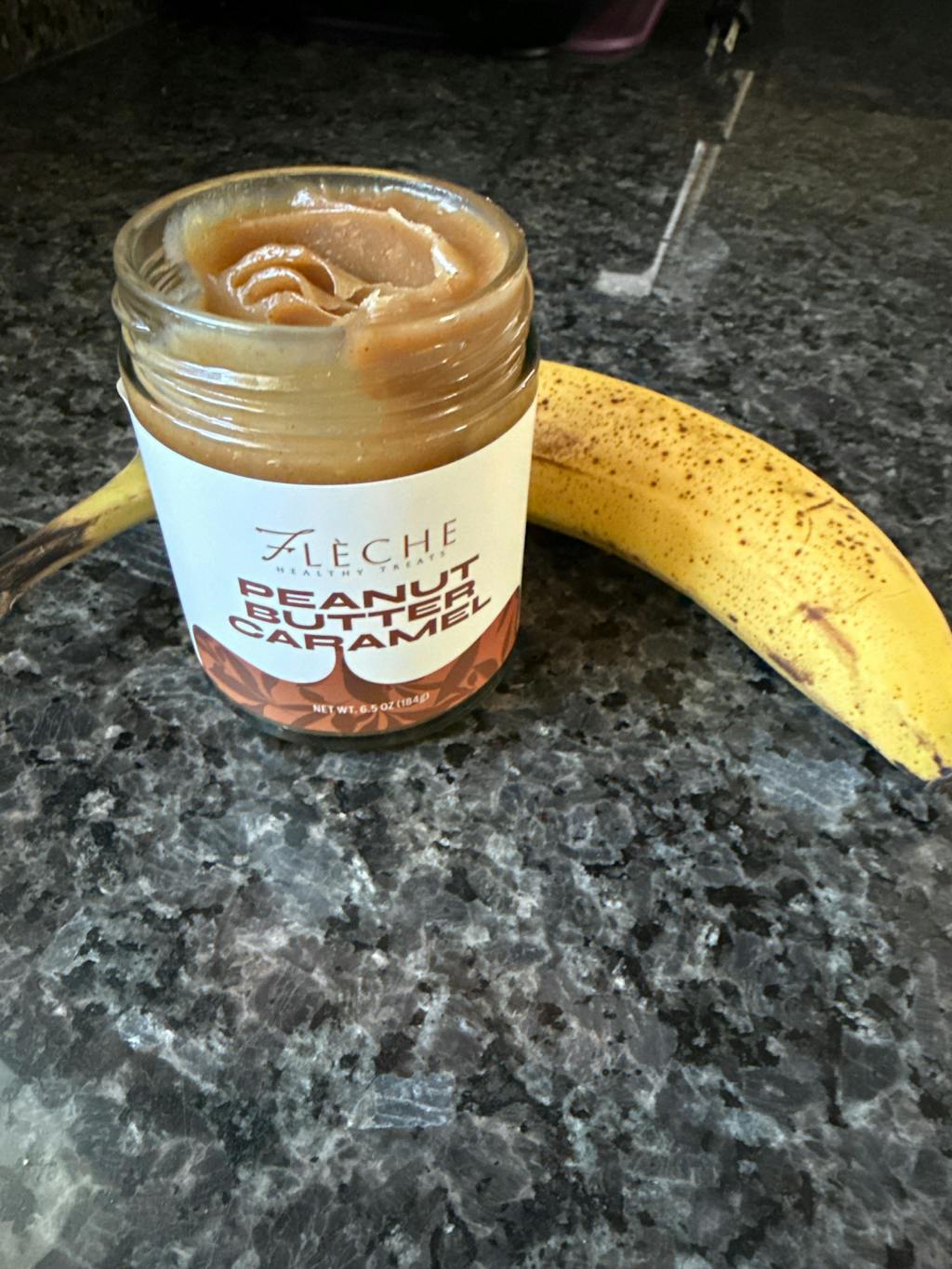
👉 Vegan spreads designed for everyday use
No sugar spikes.
No stomach issues.
No regret.
Does Gum Make You Gassy?
You’ve probably noticed: does gum make you gassy?
Yes — and here’s why:
Most gums use large amounts of sorbitol or similar sweeteners without balance.
Again, it’s not the ingredient alone —
it’s the dose and formulation.
Final Answer
So let’s answer it clearly:
👉 Do artificial sweeteners cause bloating?
Sometimes.
But the real cause is:
- The wrong sweeteners (like maltitol)
- Poor formulation
- Excessive amounts
Not all sweeteners — and not all products.
Final Bite
If a sugar-free dessert makes you feel bad, it’s not your body failing.
It’s the product.
Choose desserts made with:
- Smart ingredient selection
- Balanced formulations
- Real understanding of digestion
Because dessert should feel as good as it tastes.