What Is Glycemic Load?

Why It Matters If You Love Desserts but Want Stable Blood Sugar
Many people try to eat healthier but run into the same frustrating problem:
They cut sugar…
They avoid desserts…
They try to follow “healthy eating rules”…
And yet they still feel energy crashes, cravings, and unstable blood sugar.
One reason this happens is because most people focus only on glycemic index, when the more important concept is actually glycemic load.
Understanding what glycemic load is can completely change how you approach food — especially if you love sweets but want to protect your health.
What Is Glycemic Load?
Glycemic load (GL) measures how much a food raises blood sugar based on:
• how quickly carbohydrates are absorbed (glycemic index)
• how many carbohydrates are in a typical serving
This is why glycemic load gives a more realistic picture of how food affects your body.
Two foods can have the same glycemic index, but completely different glycemic loads, depending on how many carbs they contain.
And that difference is exactly what determines whether you experience:
• stable energy
• blood sugar spikes
• sugar crashes
• intense cravings later
For people who want to enjoy sweets without hurting their metabolism, glycemic load is a crucial concept.
Glycemic Index vs Glycemic Load
People often search for glycemic index vs glycemic load or glycemic load vs index, because the two concepts are closely related.
But they measure different things.
Glycemic Index (GI)
Measures how fast carbohydrates raise blood sugar.
Glycemic Load (GL)
Measures the actual impact of a serving of food on blood sugar.
Here’s a simple comparison:
| Measurement | What It Shows |
|---|---|
| Glycemic Index | Speed of glucose rise |
| Glycemic Load | Total blood sugar impact |
That’s why nutrition professionals increasingly discuss glycemic index vs load when helping people manage blood sugar.
The Real Problem: Most Desserts Have a High Glycemic Load
Traditional desserts are designed around refined sugar and refined flour.
This creates two major problems:
Blood Sugar Spikes
Foods high in sugar cause a rapid increase in glucose, forcing the body to release insulin.
This often leads to:
• fatigue
• irritability
• hunger shortly after eating
Sugar Crashes and Cravings
After the spike comes the crash.
Many people find themselves craving more sugar within hours, creating a cycle that is hard to break.
For people trying to live healthier — especially those with prediabetes or insulin resistance — this pattern can feel impossible to escape.
How to Calculate Glycemic Load
If you're wondering how to calculate glycemic load, the formula is simple.
Glycemic Load = (Glycemic Index × grams of carbohydrates per serving) ÷ 100
Example:
GI = 70
Carbs = 20 g
GL = 14
That means the food has a moderate glycemic load.
Understanding this calculation helps explain why some foods that appear “healthy” can still cause blood sugar spikes.
What Is Considered a Low Glycemic Load?
Glycemic load is usually categorized like this:
| Glycemic Load | Classification |
|---|---|
| 10 or less | Low |
| 11–19 | Moderate |
| 20+ | High |
Foods with low glycemic load produce a slower, smaller rise in blood sugar.
This helps support:
• steady energy
• reduced cravings
• metabolic balance
Glycemic Load Chart
Below is a simplified glycemic load chart showing how different foods compare.
| GI | GL | |
|---|---|---|
| Artichoke | 15 | 1 |
| Asparagus | 15 | 1 |
| Avocado | 10 | 1 |
| Beetroot (raw) | 30 | 3 |
| Beetroot (boiled) | 64 | 5 |
| Broccoli | 15 | 1 |
| Brussels sprouts | 15 | 1 |
| Cabbage | 10 | 1 |
| Carrot (raw) | 16 | 1 |
| Carrot (cooked) | 41 | 3 |
| Cauliflower | 15 | 1 |
| Celery | 15 | 1 |
| Cucumber | 15 | 1 |
| Eggplant | 15 | 1 |
| Garlic | 10 | 1 |
| Green beans | 30 | 2 |
| Kale | 15 | 1 |
| Lettuce | 10 | 1 |
| Mushrooms | 15 | 1 |
| Onion | 10 | 1 |
| Peas (green) | 51 | 5 |
| Pepper (bell) | 15 | 1 |
| Pumpkin | 75 | 3 |
| Radish | 15 | 1 |
| Spinach | 15 | 1 |
| GI | GL | |
|---|---|---|
| Black beans | 30 | 7 |
| Chickpeas | 28 | 8 |
| Falafel | 35 | 10 |
| Kidney beans | 29 | 7 |
| Lentils (green) | 29 | 5 |
| Lentils (red) | 26 | 6 |
| Lentils (yellow) | 30 | 7 |
| Soybeans | 15 | 3 |
| Hummus | 25 | 3 |
| GI | GL | |
|---|---|---|
| Apple | 36 | 6 |
| Apricot | 34 | 3 |
| Banana (ripe) | 51 | 13 |
| Blueberries | 53 | 6 |
| Cherry | 22 | 3 |
| Grapes | 59 | 11 |
| Kiwi | 50 | 7 |
| Mango | 51 | 8 |
| Orange | 43 | 5 |
| Peach | 42 | 5 |
| Pear | 38 | 4 |
| Pineapple | 66 | 7 |
| Raspberry | 32 | 2 |
| Strawberry | 41 | 3 |
| Watermelon | 76 | 4 |
| GI | GL | |
|---|---|---|
| Milk (whole) | 31 | 4 |
| Milk (skim) | 32 | 4 |
| Yogurt (plain) | 35 | 6 |
| Greek yogurt | 11 | 1 |
| Cottage cheese | 10 | 1 |
| Ice cream | 51 | 9 |
| Almond milk | 25 | 1 |
| Soy milk | 34 | 2 |
| Oat milk | 69 | 9 |
| Rice milk | 86 | 22 |
| GI | GL | |
|---|---|---|
| Almonds | 15 | 1 |
| Cashews | 25 | 3 |
| Hazelnuts | 15 | 1 |
| Macadamia | 10 | 1 |
| Peanuts | 14 | 1 |
| Pistachios | 15 | 2 |
| Walnuts | 15 | 1 |
| Chia seeds | 1 | 0 |
| Flax seeds | 1 | 0 |
| GI | GL | |
|---|---|---|
| Coffee | 0 | 0 |
| Tea | 0 | 0 |
| Water | 0 | 0 |
| Apple juice | 41 | 11 |
| Orange juice | 50 | 12 |
| Carrot juice | 43 | 11 |
| Soda | 63 | 16 |
| Beer | 89 | 11 |
| Red wine | 0 | 0 |
| GI | GL | |
|---|---|---|
| White bread | 75 | 15 |
| Whole wheat bread | 69 | 12 |
| Brown rice | 50 | 16 |
| White rice | 73 | 29 |
| Quinoa | 53 | 13 |
| Barley | 28 | 12 |
| Oatmeal | 55 | 13 |
| Cornflakes | 81 | 21 |
| Pasta (al dente) | 49 | 10 |
| GI | GL | |
|---|---|---|
| Beef | 0 | 0 |
| Chicken | 0 | 0 |
| Turkey | 0 | 0 |
| Pork | 0 | 0 |
| Lamb | 0 | 0 |
| Fish | 0 | 0 |
| Eggs | 0 | 0 |
| GI | GL | |
|---|---|---|
| Olive oil | 0 | 0 |
| Butter | 0 | 0 |
| Coconut oil | 0 | 0 |
| Avocado oil | 0 | 0 |
| Vegetable oil | 0 | 0 |
| GI | GL | |
|---|---|---|
| Allulose | 1 | 0 |
| Erythritol | 0 | 0 |
| Stevia | 0 | 0 |
| Monk fruit | 0 | 0 |
| Xylitol | 12 | 1 |
| Coconut sugar | 54 | 10 |
| Honey | 58 | 12 |
| Maple syrup | 54 | 12 |
| Agave syrup | 19 | 11 |
| White sugar | 65 | 13 |
| Isomalt | 2 | 0 |
| Sorbitol | 9 | 2 |
Note: Glycemic Load (GL) values shown are calculated per 100 g of product using the formula: GL = (GI × grams of available carbohydrates) ÷ 100.
Low-GL foods tend to contain fiber, healthy fats, and protein, which slow the absorption of carbohydrates.
The Challenge: Most People Don’t Want to Give Up Desserts
Here is the reality we hear from customers every week.
People want to eat healthier.
They want stable blood sugar.
They want to avoid refined sugar.
But they also say:
"I can’t live without sweets."
And they shouldn’t have to.
The real solution is not eliminating desserts.
The solution is changing how desserts are made.
Low Glycemic Load Desserts Are Possible
At Flèche Healthy Treats, our goal is simple:
Create healthy desserts that don’t trigger blood sugar spikes.
Our recipes focus on ingredients that help keep both glycemic index and glycemic load very low.
That means desserts that are:
• sugar-free
• gluten-free
• dairy-free
• low-carb
• made with natural sweeteners
Instead of refined sugar, we use carefully selected sweeteners that help prevent sugar crashes and energy swings.
You can explore options such as:
• healthy desserts designed for metabolic balance
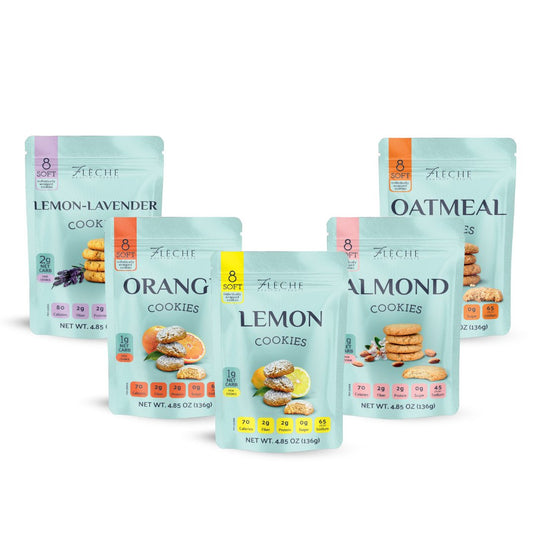
• gluten free cookies that satisfy cravings without refined sugar
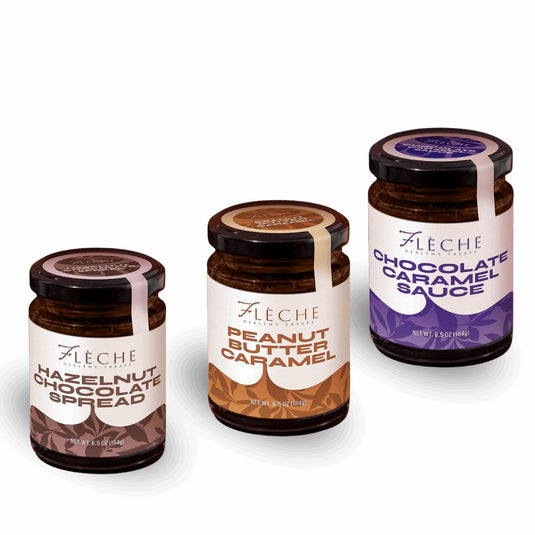
• vegan spreads that deliver sweetness with minimal glycemic impact
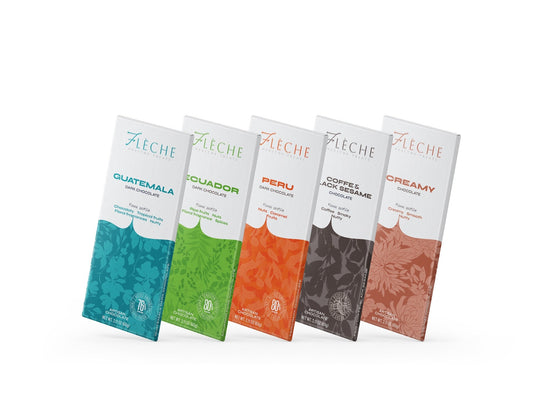
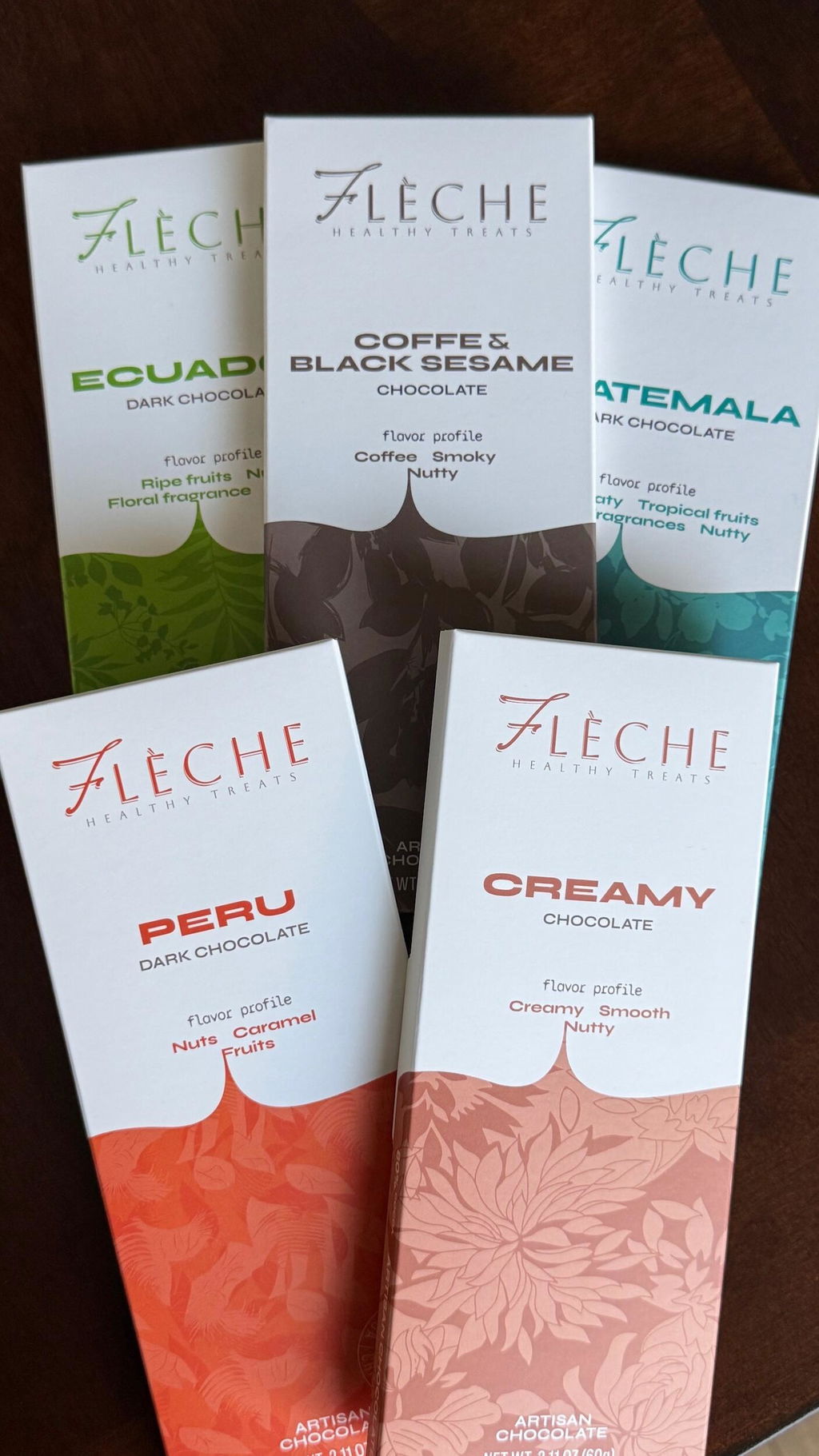
• vegan chocolate crafted with high-quality cacao
These treats are created for people who want to enjoy dessert without compromising their health goals.
Why Glycemic Load Matters More Than Glycemic Index
When comparing glycemic index vs glycemic load, glycemic load is often the better predictor of blood sugar response.
That’s because it accounts for real serving sizes, not just laboratory measurements.
Foods with a lower glycemic load help support:
• balanced energy
• fewer cravings
• better blood sugar control
This is particularly important for people who:
• are prediabetic
• follow a low-carb lifestyle
• want to reduce sugar intake
• want to avoid afternoon energy crashes
Final Thoughts
If you’ve struggled with sugar cravings, energy crashes, or difficulty giving up sweets, learning what glycemic load iscan be a powerful tool.
Instead of eliminating desserts entirely, the smarter approach is choosing foods designed with lower glycemic load ingredients.
That way you can enjoy sweetness without the blood sugar roller coaster.
At Flèche Healthy Treats, that philosophy guides everything we make — from gluten free cookies to vegan spreads and vegan chocolate — so people can enjoy desserts that support both pleasure and health.