Erythritol Sweetener. Guide 2026

What It Is, Benefits, Safety, Side Effects, and Everything You Need to Know
Sugar consumption has become one of the most debated topics in modern nutrition. With rising concerns about obesity, diabetes, and metabolic health, many people are searching for healthier alternatives to traditional sugar. One of the most popular options today is erythritol sweetener.
But questions remain.
What is erythritol?
Is erythritol bad for you?
Does erythritol raise blood sugar?
Are there erythritol side effects or dangers?
This complete guide explores everything you need to know about erythritol—from how it’s made and how it affects the body to the latest scientific research on its safety.
How Erythritol Is Used in Some Healthy Desserts
It used in Healthy Desserts because erythritol sweetener provides clean sweetness with minimal impact on blood sugar, many health-focused bakeries and food brands use it in their recipes. It is often combined with other natural sweeteners to create a more balanced flavor, better texture, and improved digestive tolerance.
At Flèche Healthy Treats, we use erythritol in a small amount as part of a carefully balanced blend of natural sweeteners in our gluten free cookies. Rather than relying on a single sweetener, our recipes combine ingredients that work together to deliver sweetness, structure, and great taste without the sharp blood sugar spikes associated with traditional sugar.
This approach helps create desserts that are:
• sugar-free
• gluten-free
• low-carb
• balanced in sweetness
• gentler on blood sugar levels
Using a blend of sweeteners instead of large amounts of one ingredient also helps improve both flavor and digestive comfort.
Taste the Difference in a Real Sugar-Free Cookie
The easiest way to understand why formulation matters is to taste it in a real dessert. Our gluten-free cookies use a small amount of erythritol as part of a balanced natural sweetener blend — not as the only source of sweetness.
That balance helps create a cookie that tastes soft, sweet, and satisfying without the heavy sugar-loaded feeling of traditional desserts.
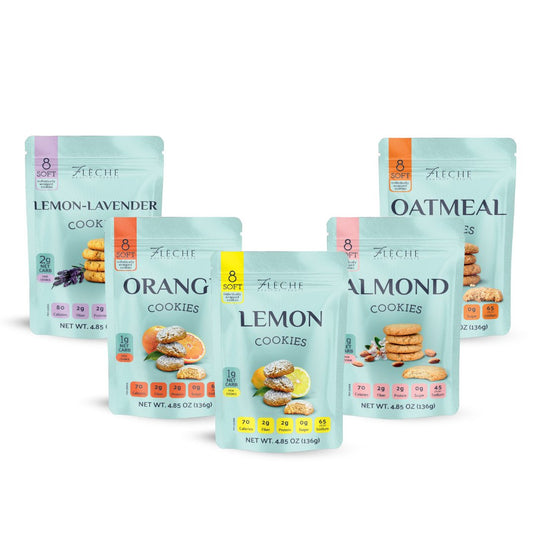
[product=gluten-free-lemon-cookies]Soft. Zesty. Bright.Without gluten. Without dairy. Without added sugar.[/product]
[product=almondcookie]Soft, nutty, and irresistibly satisfying, our Almond Cookies are inspired by classic Italian almond cookies and reimagined for a healthier lifestyle. [/product]
[product=gluten-free-oatmeal-cookies]Hearty, chewy, and comforting, our gluten free oatmeal cookies deliver classic homemade flavor with a better-for-you twist. [/product]
If you enjoy treats made with balanced natural sweeteners, you can also try our other erythritol-free healthy desserts, including vegan spreads and vegan chocolate bars, crafted with clean ingredients and designed for people who want to enjoy sweets while maintaining a healthier lifestyle.
Prefer Erythritol-Free Treats?
If you are sensitive to erythritol or simply prefer desserts made without it, our vegan spreads and vegan chocolate bars are a great place to start. They are rich, dairy-free, gluten-free, and made for people who still want real dessert flavor without added sugar.
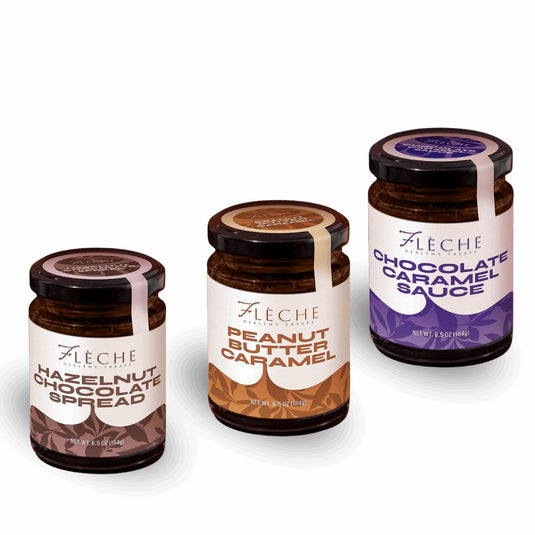
[product=chocolate-caramel-sauce-sugar-free-keto-vegan-friendly-fleche-healthy-treats]Our sugar free chocolate sauce blends deep dark cocoa with luscious caramel notes to create a velvety, indulgent topping without added sugar. This isn’t just another chocolate drizzle — it’s a refined chocolate caramel sauce designed for modern, mindful lifestyles.[/product]
[product=hazelnut-chocolate-vegan-spread]Our vegan hazelnut spread is a refined, sugar-free reinterpretation of traditional chocolate hazelnut spreads. Designed as a true vegan Nutella alternative, this silky vegan chocolate hazelnut spread delivers deep roasted hazelnut flavor blended with rich cocoa — without dairy, without refined sugar, and without compromise.[/product]
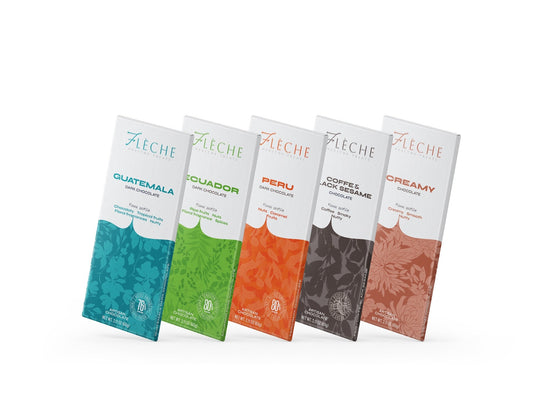
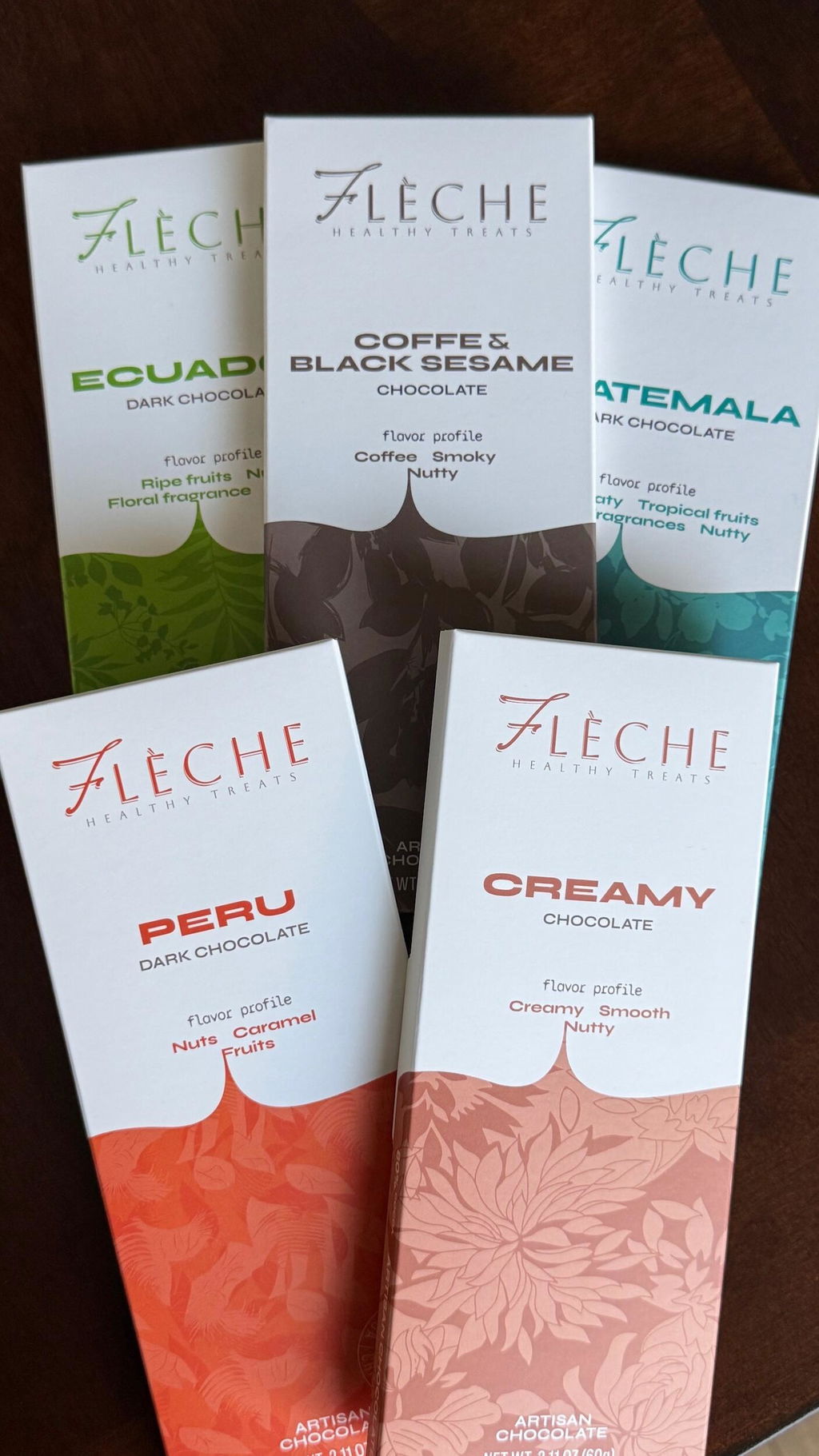
[product=fleche-vegan-chocolate-bundle]Our vegan chocolate collection is crafted for those who crave real chocolate flavor without compromise. Available in seven artisan varieties, each bar delivers deep cocoa richness with a smooth, satisfying finish.[/product]
What Is Erythritol?

Erythritol sweetener is a type of sugar alcohol (polyol) used as a low-calorie alternative to sugar. Despite the name, sugar alcohols do not contain ethanol or alcohol in the way beverages do. Instead, they are carbohydrates with a chemical structure that partially resembles both sugar and alcohol molecules.
When people ask “erythritol what is it?” the simplest explanation is this:
Erythritol is a naturally occurring sweetener that provides sweetness with almost zero calories and minimal impact on blood sugar levels.
Erythritol occurs naturally in small amounts in foods such as:
• grapes
• pears
• watermelon
• mushrooms
• fermented foods like soy sauce and wine
However, the erythritol used as a commercial sweetener is produced through fermentation.
What Is Erythritol Made From?
A common question is “what is erythritol made from?”
Most commercial erythritol sweetener is produced from high starch fruits and vegetables through a natural fermentation process.
The production typically involves:
-
Converting starch into glucose
-
Fermenting glucose using natural yeast cultures
-
Filtering and crystallizing erythritol
This fermentation process is similar to how yogurt, wine, or kombucha are produced.
Because of this process, erythritol is classified as a natural sweetener, even though it is commercially manufactured.
Is Erythritol an Artificial Sweetener?
Many consumers wonder: is erythritol an artificial sweetener?
The answer is no.
Artificial sweeteners are chemically synthesized compounds such as:
• aspartame
• saccharin
• sucralose
Erythritol, by contrast, is naturally derived through fermentation and belongs to a category called sugar alcohols.
Other sugar alcohols include:
• xylitol
• sorbitol
• maltitol
• mannitol
However, erythritol behaves differently from many of these, especially in terms of digestion and calorie content.
Is Erythritol Healthy?
Many people searching online ask: is erythritol healthy or is erythritol good for you?
Compared with regular sugar, erythritol offers several potential advantages.
Very Low Calories
Sugar contains about 4 calories per gram.
Erythritol contains roughly 0–0.2 calories per gram, meaning it contributes almost no energy intake.
This makes erythritol useful for people trying to:
• reduce calorie intake
• lose weight
• manage metabolic health
Does Erythritol Raise Blood Sugar?
One of the most important questions is:
Does erythritol raise blood sugar?
The answer is no for most people.
Unlike sugar, erythritol is absorbed into the bloodstream but not metabolized for energy. Instead, it is largely excreted unchanged through urine.
Because of this:
• it does not significantly raise blood glucose
• it does not trigger insulin spikes
This is why erythritol is widely used in:
• diabetic-friendly foods
• low-carb products
• keto desserts
For individuals managing insulin resistance or diabetes, erythritol can be a useful alternative to sugar.
A Better Dessert Option When Cutting Sugar
If you are trying to reduce added sugar, the goal is not to remove every sweet food from your life. The goal is to choose desserts made with more thoughtful ingredients.
Our gluten free cookies are made without added sugar, gluten, or dairy, and they are created for people who want something sweet without going back to traditional sugar-heavy treats.
[product=almondcookie]Soft, nutty, and irresistibly satisfying, our Almond Cookies are inspired by classic Italian almond cookies and reimagined for a healthier lifestyle. [/product]
[product=gluten-free-oatmeal-cookies]Hearty, chewy, and comforting, our gluten free oatmeal cookies deliver classic homemade flavor with a better-for-you twist. [/product]
Is Erythritol Keto?
Another common search question is is erythritol keto?
Yes, erythritol is considered keto-friendly.
Because it has:
• almost zero calories
• minimal digestible carbohydrates
• no significant effect on insulin
Many keto diets count erythritol as 0 net carbs.
This is why erythritol appears frequently in:
• keto baked goods
• low-carb chocolate
• sugar-free desserts
Low-Carb Treats That Still Feel Indulgent
Low-carb desserts should not taste dry, empty, or overly artificial. The best sugar-free treats are built with the whole formula in mind — sweetness, texture, fat, fiber, and flavor.
That is why Flèche desserts are created to feel rich and satisfying, not like “diet food.”
[product=almondcookie]Soft, nutty, and irresistibly satisfying, our Almond Cookies are inspired by classic Italian almond cookies and reimagined for a healthier lifestyle. [/product]
[product=chocolate-caramel-sauce-sugar-free-keto-vegan-friendly-fleche-healthy-treats]Our sugar free chocolate sauce blends deep dark cocoa with luscious caramel notes to create a velvety, indulgent topping without added sugar. This isn’t just another chocolate drizzle — it’s a refined chocolate caramel sauce designed for modern, mindful lifestyles.[/product]
[product=hazelnut-chocolate-vegan-spread]Our vegan hazelnut spread is a refined, sugar-free reinterpretation of traditional chocolate hazelnut spreads. Designed as a true vegan Nutella alternative, this silky vegan chocolate hazelnut spread delivers deep roasted hazelnut flavor blended with rich cocoa — without dairy, without refined sugar, and without compromise.[/product]
What Products Contain Erythritol?
Today, erythritol sweetener appears in many foods and beverages.
Common products containing erythritol include:
• sugar-free chocolate
• keto cookies
• protein bars
• low-carb ice cream
• sugar-free candies
• flavored sparkling waters
• diet beverages
• sugar-free gum
Many sugar-free bakery products also combine erythritol with other sweeteners such as:
• stevia
• monk fruit
• allulose
These blends help balance sweetness and texture.
Why the Full Ingredient Blend Matters
A product can say “sugar-free” on the label, but that does not always mean it will taste good or feel good. Some sugar-free desserts rely too much on one sweetener, which can lead to a cooling aftertaste or digestive discomfort for sensitive people.
At Flèche Healthy Treats, we use thoughtful sweetener blends in our gluten free cookies and offer erythritol-free options in our vegan spreads and vegan chocolate bars, so you can choose what feels best for you.
[product=fleche-vegan-chocolate-bundle]Our vegan chocolate collection is crafted for those who crave real chocolate flavor without compromise. Available in seven artisan varieties, each bar delivers deep cocoa richness with a smooth, satisfying finish.[/product]
[product=indulgent-healthy-spread-trio]Elevate your snacking and wellness game with our premium Peanut Butter Caramel Spread, Chocolate Caramel Spread, and Hazelnut Chocolate Spread. This indulgent trio is perfect for riders, fitness enthusiasts, and anyone who loves treating their taste buds without compromising on health.[/product]
Is Erythritol Safe?
The question “is erythritol safe?” has been studied extensively.
Multiple regulatory agencies consider erythritol safe for human consumption.
These include:
• U.S. Food and Drug Administration (FDA)
• European Food Safety Authority (EFSA)
• World Health Organization (WHO)
Erythritol has been granted GRAS status (Generally Recognized As Safe) by the FDA.
This classification means the ingredient has been evaluated by experts and found safe when consumed as intended.
Erythritol and Cardiovascular Research
In recent years, some headlines have questioned the safety of erythritol.
A widely discussed study suggested that higher blood levels of erythritol were associated with increased cardiovascular risk.
However, researchers and physicians—including Dr. Peter Attia, MD—have emphasized that the study did not prove erythritol causes heart disease.
The study mainly examined individuals who already had high cardiovascular risk and metabolic disorders.
Correlation does not necessarily equal causation.
More research is currently underway to clarify the relationship.
Erythritol Side Effects
Like many sugar alcohols, erythritol can cause digestive symptoms in some individuals when consumed in large amounts.
Common erythritol side effects may include:
• bloating
• mild stomach discomfort
• gas
However, erythritol is generally better tolerated than other sugar alcohols.
Sensitive to Sugar Alcohols?
Everyone’s digestion is different. Some people tolerate erythritol well, especially in small amounts. Others prefer to avoid it completely.
If you know sugar alcohols do not feel good for your body, start with our erythritol-free treats instead. They are still sugar-free, dairy-free, gluten-free, and made to satisfy real dessert cravings.
[product=hazelnut-chocolate-vegan-spread]Our vegan hazelnut spread is a refined, sugar-free reinterpretation of traditional chocolate hazelnut spreads. Designed as a true vegan Nutella alternative, this silky vegan chocolate hazelnut spread delivers deep roasted hazelnut flavor blended with rich cocoa — without dairy, without refined sugar, and without compromise.[/product]
[product=fleche-white-chocolate]Our sugar free white chocolate is crafted for those who crave creamy white chocolate flavor without the added sugar. Smooth, rich, and naturally sweetened, this bar delivers the classic sweetness you love — reimagined for a cleaner, smarter indulgence.[/product]
Does Erythritol Cause Gas?
Some people ask: does erythritol cause gas?
Compared with sorbitol or maltitol, erythritol causes much less fermentation in the gut.
This is because approximately 90% of erythritol is absorbed in the small intestine before reaching gut bacteria.
As a result, erythritol tends to produce less gas than many other sugar alcohols.
Does Erythritol Cause Diarrhea?

Another common question is: does erythritol cause diarrhea?
Large amounts of sugar alcohols can sometimes have a laxative effect.
However, erythritol is less likely to cause diarrhea than other polyols.
Studies suggest that most adults tolerate up to:
0.7–1 gram per kilogram of body weight per day without significant digestive issues.
Moderation is still recommended.
Erythritol Dangers: Are There Risks?
 Online discussions often focus on erythritol dangers, but current scientific evidence suggests that serious risks are uncommon.
Potential concerns discussed in research include:
• digestive discomfort at very high doses
• potential cardiovascular correlations (still debated)
Overall, most nutrition researchers consider erythritol one of the safer sugar substitutes available today.
Does Erythritol Cause Cancer?

A common question is does erythritol cause cancer.
Currently, there is no credible evidence linking erythritol to cancer.
Long-term safety evaluations conducted by global food safety authorities have found no carcinogenic effects.
In fact, erythritol has been studied for antioxidant properties that may help reduce oxidative stress.
Is Erythritol Safe for Kidneys?

People with kidney conditions sometimes wonder: is erythritol safe for kidneys?
Because erythritol is excreted through urine without being metabolized, some researchers have studied its impact on kidney function.
Current evidence suggests that normal dietary consumption is safe for healthy individuals.
However, individuals with advanced kidney disease should consult a healthcare professional before using any sweetener regularly.
Does Erythritol Break a Fast?
For people practicing intermittent fasting, another common question is: does erythritol break a fast?
Because erythritol contains almost no calories and does not trigger insulin, many fasting experts consider it unlikely to break a metabolic fast.
However, strict fasting protocols may recommend avoiding all sweeteners to prevent cravings.
Is Erythritol Bad for Dogs?

A very important safety question is: is erythritol bad for dogs?
Unlike xylitol, which is extremely toxic to dogs, erythritol does not appear to cause severe toxicity in dogs.
However, veterinarians still recommend avoiding giving sweeteners to pets.
If a dog consumes large amounts of erythritol, mild digestive upset could occur.
Erythritol vs Sugar
When comparing erythritol sweetener with sugar, several differences stand out.
 These differences explain why erythritol has become popular among people pursuing healthier eating patterns.
Why Many Sugar-Free Foods Use Erythritol

Food manufacturers often choose erythritol because it provides several advantages:
• sugar-like taste
• almost no calories
• minimal blood sugar impact
• keto compatibility
• dental benefits
However, erythritol is often blended with other sweeteners to balance sweetness and texture.
[product=gluten-free-lemon-cookies]Soft. Zesty. Bright.Without gluten. Without dairy. Without added sugar.[/product]
[product=lemon-lavender-cookies]Delicate, floral, and beautifully balanced, our lemon lavender cookies offer a refined twist on classic cookies. Made with bright lemon zest and aromatic lavender, these gluten free lemon lavender cookies are softly baked and naturally sweetened for a light yet indulgent experience—without gluten, dairy, or sugar.[/product]
Final Thoughts: Is Erythritol Good for You?
For most people, erythritol sweetener offers a practical alternative to sugar.
Current research suggests that erythritol is:
• low in calories
• blood sugar friendly
• generally safe in moderate amounts
• well tolerated compared with other sugar alcohols
As with any ingredient, moderation and a balanced diet remain important.
For individuals looking to reduce sugar intake while still enjoying sweetness, erythritol can be a useful tool.
Start With a Better Kind of Dessert
If you want to reduce sugar but still enjoy something sweet, start with desserts made with better formulation — not just better marketing.
Try our gluten-free cookies if you want a soft, satisfying cookie made with a balanced sweetener blend. Or choose our erythritol-free vegan spreads and vegan chocolate if you prefer to avoid erythritol completely.
[product=fleche-cookie-bundle]Our Cookies are soft-baked, clean-label, and carefully formulated without milk, butter, or hidden dairy ingredients — while still delivering indulgent flavor and texture.[/product]
[product=indulgent-healthy-spread-trio]Elevate your snacking and wellness game with our premium Peanut Butter Caramel Spread, Chocolate Caramel Spread, and Hazelnut Chocolate Spread. This indulgent trio is perfect for riders, fitness enthusiasts, and anyone who loves treating their taste buds without compromising on health.[/product]
[product=fleche-vegan-chocolate-bundle]Our vegan chocolate collection is crafted for those who crave real chocolate flavor without compromise. Available in seven artisan varieties, each bar delivers deep cocoa richness with a smooth, satisfying finish.[/product]