How White Chocolate Is Made (+ How to Make It at Home)

White chocolate starts in the same place as dark and milk chocolate: the cacao bean. What happens next is what makes it different. Instead of using the whole roasted bean, white chocolate is built around just one part of it, the cocoa butter. Below, we walk through how white chocolate is made, from cacao pod to finished bar, and then show you how to make an easy version at home (including a sugar-free option).
The short answer
Traditional white chocolate is made by blending cocoa butter (the fat pressed from cacao beans) with milk solids, sugar, and vanilla, then refining, tempering, and molding the mixture until it sets into a smooth bar. Plant-based versions skip the dairy entirely; ours gets its creaminess from almond protein and cashew butter. The key difference from other chocolate is that no cocoa solids (the brown, cocoa-flavored part of the bean) are added, which is why white chocolate is pale and tastes creamy rather than cocoa-rich. For the full background, see what white chocolate is.
A quick history of white chocolate

White chocolate is a relative newcomer. People have been eating and drinking cacao for thousands of years, but white chocolate as we know it did not appear until the 20th century. Nestlé is widely credited with introducing the first white chocolate bar in Switzerland in the 1930s, reportedly as a clever way to use up surplus milk powder and cocoa butter. For decades it was treated as a novelty, yet its creamy, vanilla-forward flavor eventually earned it a permanent spot alongside milk and dark chocolate. Today it turns up everywhere, from baking chips and holiday bark to café lattes, and now in better-for-you bars sweetened without any refined sugar at all.
How white chocolate is made, step by step
1. Harvesting the cacao and pressing out cocoa butter
It begins with cacao pods. The beans inside are fermented, dried, roasted, and cracked to separate the nibs. Those nibs are ground into a thick paste called chocolate liquor, which is then pressed under high pressure. Pressing splits the liquor into two parts: dark cocoa solids (used for cocoa powder and dark chocolate) and pale, fatty cocoa butter. White chocolate keeps the cocoa butter and leaves the solids behind.

2. Blending the base ingredients
The cocoa butter is gently melted and combined with a creamy element (dairy milk solids in traditional bars, almond protein and cashew butter in ours), a sweetener for sweetness, and vanilla for flavor. Many bars also add a little lecithin to keep everything emulsified, though it is optional, and plant-based bars like ours leave it out. Real white chocolate is defined by its cocoa butter, at least 20%, which is what lets it carry the name.
3. Refining and conching

The blend is passed through rollers that grind the particles down until the texture feels silky on the tongue. Then it is conched: slowly warmed and stirred for hours, sometimes days. Conching smooths the texture and rounds out the flavor, driving off any harsh notes and leaving the mellow, buttery taste white chocolate is known for.
4. Tempering
Next comes tempering, a careful cycle of heating and cooling that coaxes the cocoa butter to crystallize in a stable form. Proper tempering gives white chocolate its glossy finish and clean snap, and it helps prevent the dull, streaky bloom that forms when cocoa butter sets unevenly.
5. Molding and cooling
Finally, the tempered chocolate is poured into molds, vibrated to release air bubbles, cooled until solid, and wrapped. The result is the smooth white bar you find on the shelf.
What makes white chocolate different from milk and dark
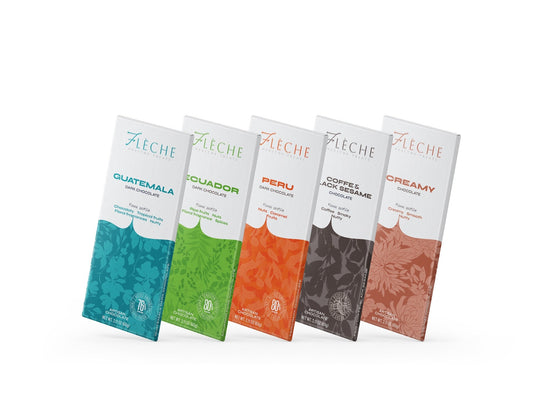
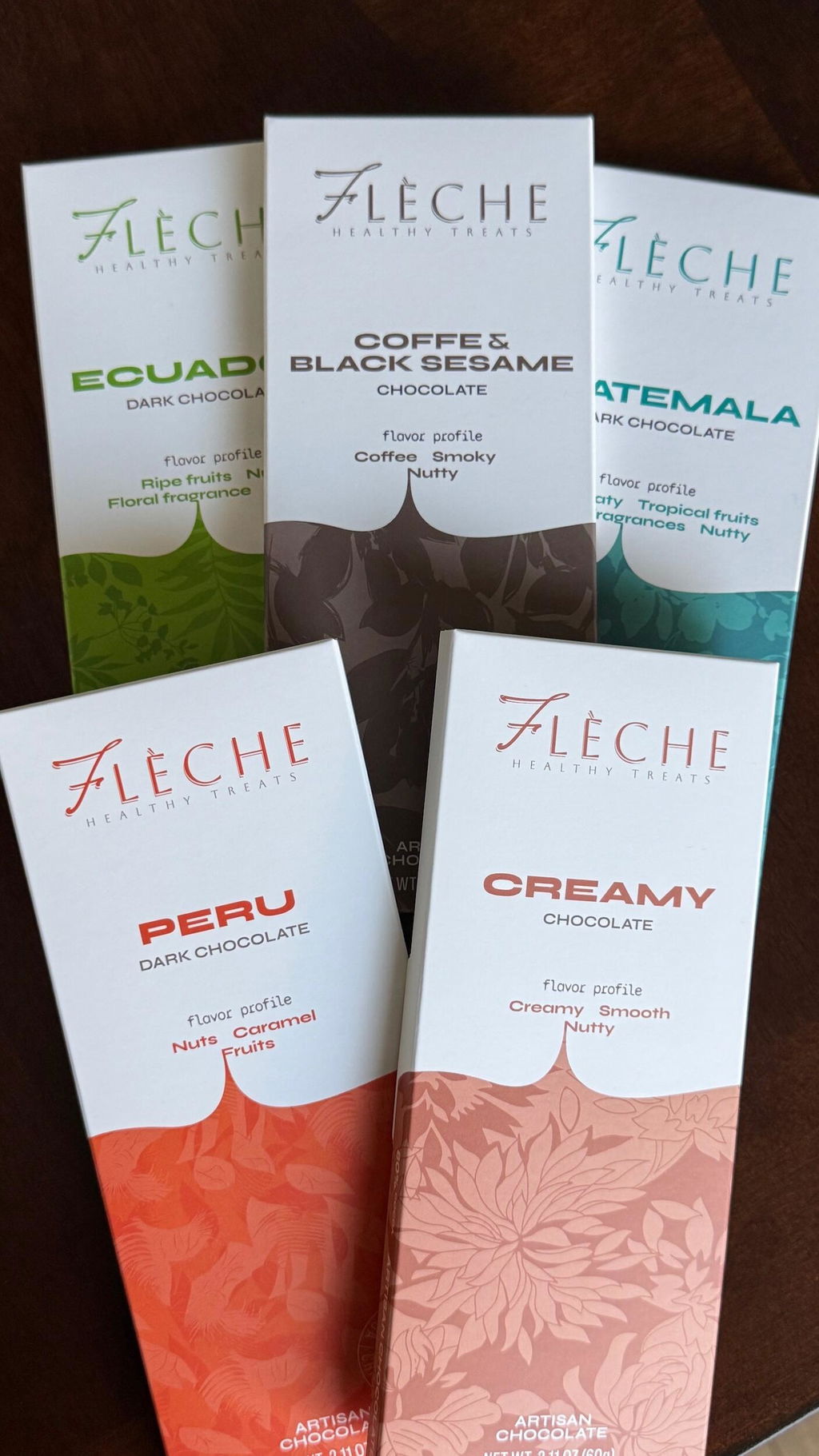
The whole process hinges on one choice: leaving out the cocoa solids. Those solids carry the brown color, the bold cocoa flavor, and most of chocolate's antioxidants. Without them, you are left with the cocoa butter's gentle richness, a creamy element (milk in traditional bars, almond protein and cashew butter in ours), and a touch of sweetness. It is the same starting bean as our Guatemala 76% dark chocolate, just a completely different part of it.
[product=guatemala-dark-chocolate-fleche]This 76% dark sugar free chocolate delivers deep, authentic cacao flavor — without sugar spikes, without dairy, and without artificial aftertaste.[/product]
How to make white chocolate at home (easy recipe)
You do not need fancy equipment to make a simple white chocolate. This easy version uses four core ingredients and about 15 minutes of hands-on time.

Ingredients
- 1/2 cup (about 4 oz) food-grade cocoa butter
- 1/4 cup milk powder (dairy, or coconut milk powder for vegan)
- 3 to 4 tbsp powdered sweetener (powdered sugar, or allulose or erythritol for sugar-free)
- 1 tsp vanilla extract
- Pinch of salt
Steps
1. Melt the cocoa butter. Chop it and melt gently in a double boiler over low heat until liquid. Do not rush it with high heat.

2. Whisk in the dry ingredients. Add the milk powder and powdered sweetener, whisking until completely smooth with no lumps.

3. Add vanilla and salt. Stir to combine.
4. Pour and set. Pour into a silicone mold or a parchment-lined dish, then tap to release air bubbles.

5. Chill. Refrigerate for at least an hour until firm, pop the bar out, and store it in a cool, dry place.

For a sugar-free white chocolate, use powdered allulose or erythritol and coconut milk powder. Powdered rather than granular sweetener is the trick to a smooth, non-gritty bar.
Easy flavor variations

Once you have the base method down, the flavor is yours to play with. Try one of these:
- Vanilla bean: scrape in the seeds of half a vanilla pod for a fragrant, speckled bar.
- Matcha white chocolate: whisk in 1 to 2 tsp of matcha powder for an earthy, naturally green bar.
- Berry crunch: fold crushed freeze-dried strawberries or raspberries into the mixture before it sets.
- Salted: add a light sprinkle of flaky sea salt on top right after pouring.
- Citrus zest: stir in 1/2 tsp of orange or lemon zest for a bright, fresh finish.
These same mix-ins work beautifully if you melt down a ready-made bar instead, which is handy when you want the flavor without making the base from scratch.
Tips for smooth homemade white chocolate
- Use powdered sweetener, not granular, or your bar will feel sandy.
- Keep the heat low. Cocoa butter and milk powder both scorch.
- Whisk thoroughly so the milk powder fully disperses.
- Want a real snap? Temper the melted cocoa butter (cool it to about 80°F, then gently rewarm to roughly 84 to 86°F) before molding.
- Store it cool and dry. Homemade white chocolate keeps for about two weeks in an airtight container in a cool, dark spot, and a little longer in the fridge. Let it come back to room temperature before serving so the texture is smooth, not hard.
Frequently asked questions
Why does my homemade white chocolate seize?
Seizing, when the mixture turns grainy or clumpy, usually happens when a drop of water gets into the melted cocoa butter, or when it overheats. Keep all your tools bone-dry and melt low and slow. If it does seize, whisking in a teaspoon of warm neutral oil can sometimes rescue the texture.
Can you make sugar-free white chocolate at home?
Yes. Swap the sugar for powdered allulose or erythritol and use a sugar-free milk powder. The method is identical. If you would rather skip the work, our sugar-free white chocolate is already made this way, with cocoa butter, almond protein, cashew butter, and allulose, no milk at all.
[product=fleche-white-chocolate]Our sugar free white chocolate is crafted for those who crave creamy white chocolate flavor without the added sugar. Smooth, rich, and naturally sweetened, this bar delivers the classic sweetness you love — reimagined for a cleaner, smarter indulgence.[/product]
Where can I buy cocoa butter?
Look for food-grade cocoa butter (cosmetic grade is not for eating) at health-food stores, baking-supply shops, or online. It usually comes as wafers or a solid block. Make sure it is pure cocoa butter with no added fragrance.
Is store-bought white chocolate the same as homemade?
The ingredients are similar, but commercial bars are conched and tempered by machine, which gives them a smoother texture and glossier finish than most home versions. Homemade is wonderful for melting and baking. For a perfect snap and longer shelf life, a professionally made bar wins.
Can you use coconut oil instead of cocoa butter?
You can make a coconut-oil "white chocolate," but it is not true white chocolate. Cocoa butter is what makes white chocolate real, and it is what gives the bar a firm snap at room temperature. Coconut oil melts at a much lower temperature, so the result is softer and needs to stay refrigerated.
Skip the work, keep the indulgence
Making white chocolate at home is a fun weekend project, but on busy days it is nice to have the real thing ready to go. Flèche's sugar-free white chocolate is made with cocoa butter, almond protein, cashew butter, and allulose, with no refined sugar, no dairy, and no lecithin, fully plant-based, so it is vegan, keto-friendly, and low-glycemic, and kind to your blood sugar. Melt it into a white hot chocolate, chop it into cookies, or simply snap off a piece.
[product=fleche-white-chocolate]Our sugar free white chocolate is crafted for those who crave creamy white chocolate flavor without the added sugar. Smooth, rich, and naturally sweetened, this bar delivers the classic sweetness you love — reimagined for a cleaner, smarter indulgence.[/product]
The bottom line
White chocolate is made by pressing cocoa butter from the cacao bean and blending it with a creamy element (dairy in traditional bars, nut-based in ours), a sweetener, and vanilla, then refining, tempering, and molding it, all while leaving out the cocoa solids. You can recreate a simple version at home with just a few ingredients, and a sugar-free swap makes it friendlier to your blood sugar without losing the creamy magic.