Gluten Face: Symptoms, Before & After Photos, and How to Reverse It

 Ever notice your face looks puffier, redder, or more broken-out the day after a big pasta dinner or a basket of warm bread? That reaction has a nickname: gluten face. It is the puffiness, redness, dullness, and breakouts that some people see on their skin after eating gluten, especially anyone with gluten sensitivity or celiac disease.
Gluten face is not an official medical diagnosis. It is a popular way to describe how a food trigger can show up on your complexion. This guide covers what gluten face looks like, what causes it, what to expect when you cut gluten (the real before and after), and how to calm your skin without giving up the treats you love.
Gluten is only one of several foods that can leave a mark on your skin. If you are still pinning down your trigger, start with our overview of how sugar, dairy, gluten, and wine show up on your face, then dive back in here to go deep on gluten.
What Is Gluten Face?
Gluten face is the cluster of skin changes, puffiness, redness, uneven tone, and breakouts, that some people notice after eating gluten. It is usually linked to inflammation in the gut that spreads through the body and surfaces on the face.
Here is the short version of the science. For people who are sensitive to gluten, eating it can irritate the gut lining and trigger an immune and inflammatory response. That inflammation does not stay in your stomach. It travels, and skin is often where it becomes visible: more fluid retention (puffiness), more redness, and more breakouts.
Not everyone reacts this way. If your gut handles gluten well, you are unlikely to get gluten face. But if bread, pasta, beer, or baked goods leave you bloated and your skin looks worse the next morning, gluten is a trigger worth testing.
What Are the Symptoms of Gluten Face?
The most common gluten face symptoms are puffy cheeks, red or irritated skin, uneven tone and texture, and breakouts along the forehead and chin. Many people also notice puffy, shadowed under-eyes, sometimes called celiac eyes.
- Puffy cheeks and a fuller, swollen-looking face
- Redness or irritation, especially across the cheeks and around the nose
- Uneven tone and rough texture
- Breakouts, often on the forehead and chin
- Puffy under-eyes and dark circles (the look behind the term celiac eyes)
- A dull, tired complexion that does not brighten with sleep
These signs often arrive alongside gut symptoms like bloating, gas, or stomach discomfort, plus fatigue or brain fog. When your skin and your digestion flare together after gluten, that pattern is a strong clue.
Gluten Face Rash
A gluten face rash usually shows up as red, irritated, sometimes itchy patches. In people with celiac disease, gluten can also trigger a specific blistering rash called dermatitis herpetiformis, though that more often appears on the elbows, knees, and scalp than the face.
If you have a persistent, itchy, or blistering rash, see a doctor rather than self-diagnosing. A rash can have many causes, and conditions like celiac disease need a proper medical test. Gluten face, in the everyday sense, is milder: general puffiness and redness that eases once the trigger is removed.
What Causes Gluten Face?
Gluten face is driven by inflammation. In sensitive people, gluten irritates the gut, sparks an immune response, and releases inflammatory signals that reach the skin, leading to puffiness, redness, and breakouts.
It helps to know that reacting to gluten is not one single thing:
- Celiac disease is an autoimmune condition. Eating gluten damages the small intestine and can show up on skin, including the dermatitis herpetiformis rash. It needs a medical diagnosis.
- A wheat allergy is a true immune (IgE) allergy to wheat. This is what people usually mean by a gluten allergy face, and it can cause hives, swelling, and fast reactions. Real allergies are a medical issue.
- Non-celiac gluten sensitivity is the most common reason for everyday gluten face. There is no allergy or intestinal damage, but gluten still triggers bloating, fatigue, and skin flares.
Whichever bucket you fall into, the visible result is similar: an inflamed, puffy, reactive-looking face. The fix is similar too, reduce the trigger and calm the inflammation.
Gluten Face Before and After: What to Expect
When you stop eating gluten, gluten face usually improves in stages. Puffiness tends to drop within a few days, redness calms over a week or two, and breakouts and tone even out over three to four weeks or more.
Here is a realistic before and after timeline:
- Days 1 to 3, the de-bloat. As gut inflammation settles, facial puffiness and under-eye swelling start to drop. This is the fastest, most noticeable change.
- Week 1 to 2, redness calms. Irritated, flushed-looking skin begins to settle and your tone looks more even.
- Week 3 to 4, skin clears. Breakouts slow down, texture smooths, and the dull, tired look lifts. The under-eye area (those celiac eyes) often looks brighter.
- Beyond a month, the reset. With gluten consistently out, many people see their calmest skin yet and a more defined, less puffy face.
Want to actually see your progress? Take a clear, makeup-free photo in the same light on day one, then again each week. A side-by-side before and after is the easiest way to confirm gluten is your trigger, and it is far more reliable than memory.
How to Reverse Gluten Face
To reverse gluten face, remove gluten for a few weeks, support your gut, stay hydrated, and swap gluten-containing snacks for genuinely gluten-free ones. Then watch how your skin responds.
- Cut gluten for 3 to 4 weeks. Do a clean elimination: no wheat, barley, or rye, and read labels for hidden gluten in sauces, dressings, and processed foods.
- Support your gut. Lean on fiber, vegetables, and water, and go easy on alcohol and ultra-processed food while your gut lining recovers.
- Swap, do not just subtract. The fastest way to fail an elimination is to feel deprived. Replace the bread basket and the cookie jar with treats that are gluten-free from the start.
- Hydrate and sleep. Both reduce puffiness and help skin repair, which speeds up your before and after.
- Track with photos. Weekly photos keep you honest and show whether gluten is really the culprit.

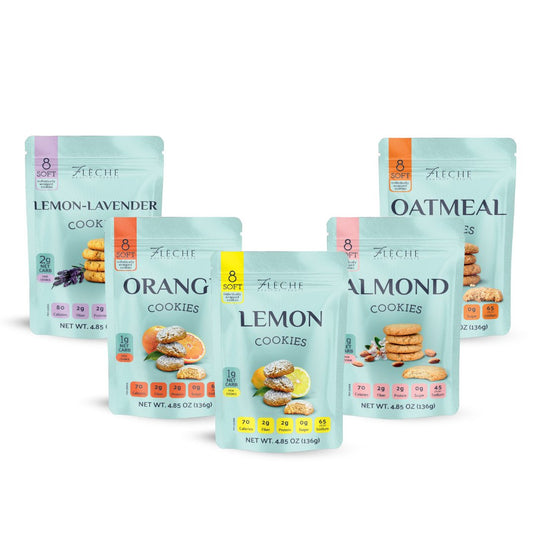
That third step is where most people slip, because gluten-free too often means dry and crumbly. It does not have to. Using almond flour in place of wheat flour makes naturally gluten-free baked goods that are tender and rich. Our almond cookiesare grain-free and almond-flour based, so they are gluten-free by nature, and they happen to be dairy-free and sugar-free too.
[product=almondcookie]Soft, nutty, and irresistibly satisfying, our Almond Cookies are inspired by classic Italian almond cookies and reimagined for a healthier lifestyle. [/product]
Prefer something chewier and more classic? Our gluten-free oatmeal cookies are made with certified gluten-free rolled oats, so you get real oatmeal-cookie comfort without the wheat, and they are dairy-free and sugar-free as well. (One note for strict vegans: the oatmeal cookies contain egg, so they are vegetarian.) For the full rundown of safe options, see our guide to which cookies are gluten-free.
[product=gluten-free-oatmeal-cookies]Hearty, chewy, and comforting, our gluten free oatmeal cookies deliver classic homemade flavor with a better-for-you twist. [/product]
Eat Gluten-Free Without Missing Out
The hardest part of beating gluten face is not the science, it is the snack drawer. When your treats are gluten-free from the very first ingredient, staying consistent gets easy, and your skin gets the calm, clear stretch it needs to reset.
Start with our gluten-free lemon cookies, the bright, buttery-tasting cookies that genuinely do not taste gluten-free. They are made with almond flour, with no gluten, no dairy, and no sugar, so you can keep the cookie and lose the puffiness.
[product=gluten-free-lemon-cookies]Soft. Zesty. Bright.Without gluten. Without dairy. Without added sugar.[/product]
And if cheese, milk, or ice cream seem to set your skin off too, gluten might not be the whole story. Our companion guide to dairy face breaks down that trigger the same way.